
Infrastructure Pivot:
Bio-Digital Longevity
The post-war suburban model is a confirmed depreciating asset. A new paradigm, merging biophilic design with pervasive digital connectivity, is being deployed as an economic resilience engine.
Confidence Telemetry Analysis
Confidence derived from conflict telemetry and irreversible capital reallocation patterns observed Q1 2026.
1. The Strategic Shift
The Levittown model of the 1950s—standardized, car-dependent, and strictly zoned—is now a systemic liability. Its legacy includes sedentary lifestyles and exorbitant infrastructure costs. The emerging Bio-Digital framework represents a fundamental recalibration:
- CORE_01
Mixed-Use Density
Integrating residential and commercial functions to eliminate vehicular dependency.
- CORE_02
Biophilic Integration
Interweaving green corridors with real-time data layers for social and environmental optimization.

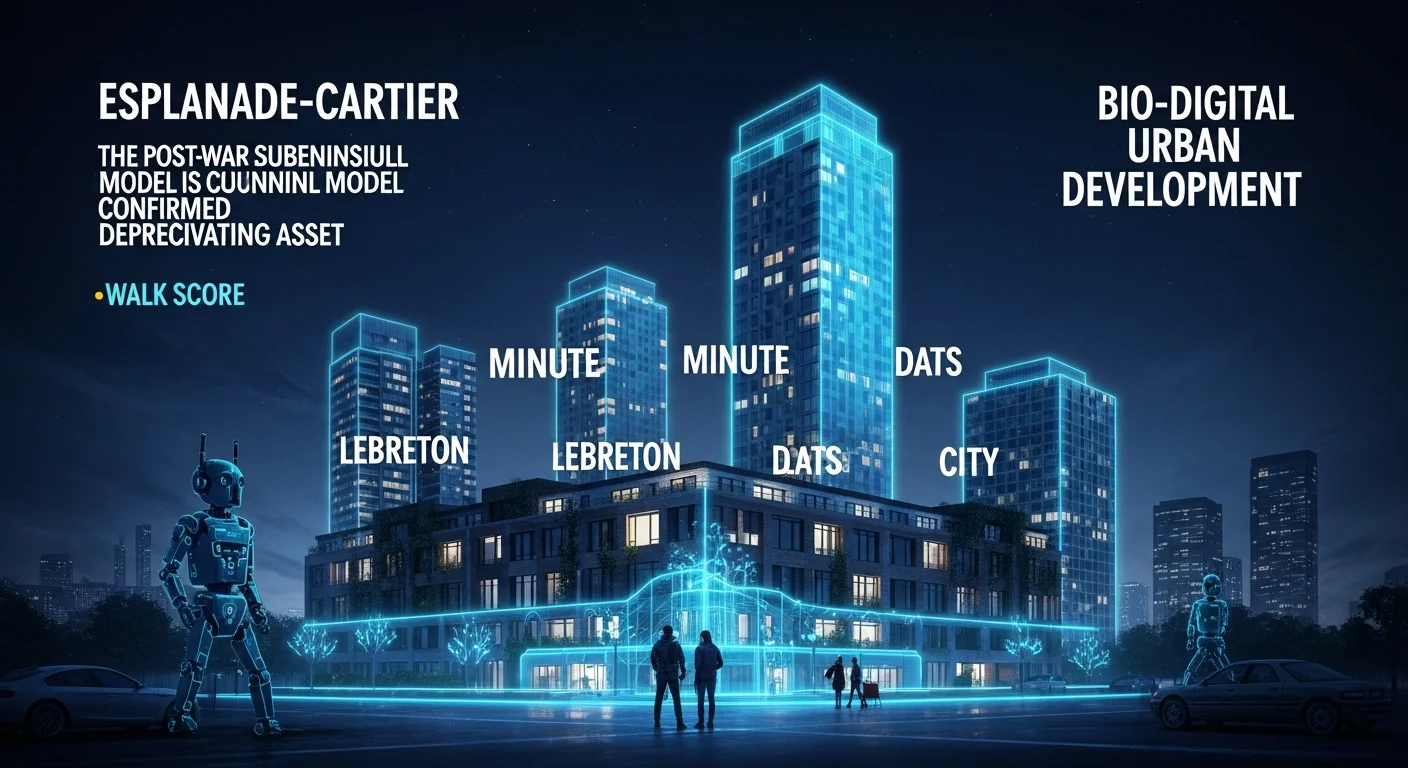
Fig 1.0 // Conceptual render: Green corridors interwoven with integrated mobility layers.
2. Comparative Intelligence
| Model | Foundation | Strategic Grade | Status |
|---|---|---|---|
| Traditional Suburban | Car-Dependency | 2/10 | Legacy/Liabiltiy |
| 15-Minute City | Local Ecosystems | 8/10 | High Potential |
| Bio-Digital | AI/Bio Synthesis | 9/10 | Frontier Apex |
Axiom Verdict
“The ROI of urban development is no longer measured in square-foot revenue, but in health-years gained and infrastructure savings. Stakeholders slow to adapt to the Bio-Digital integration—especially in high-complexity infill sites involving soil remediation and archeological assessments—risk holding stranded assets in an era of rapid urban evolution.”