Titans of Tech Unite to Engineer the Physical AI Revolution, Starting in the Heart of Our Homes and Hospitals
2 min read
Additionally, physical AI is defined as AI that can understand and act in the real world through robots. Importantly, this technology aims to support human workers, not replace them. Consequently, this collaboration could bring helpful robotic systems into hospitals and homes sooner.
Subsequently, the center will work with teams in Japan and Europe. Ultimately, this effort shows a growing push to use AI and robotics for new challenges. Thus, it marks a significant step in bringing intelligent machines into everyday service.
| Partner | Primary Contribution | Key Technology or Application |
|---|---|---|
| Nvidia | AI and robotics integration | Collaboration on integrating AI with Kawasaki’s robotic systems for real-world applications |
Physical AI Hub Launch
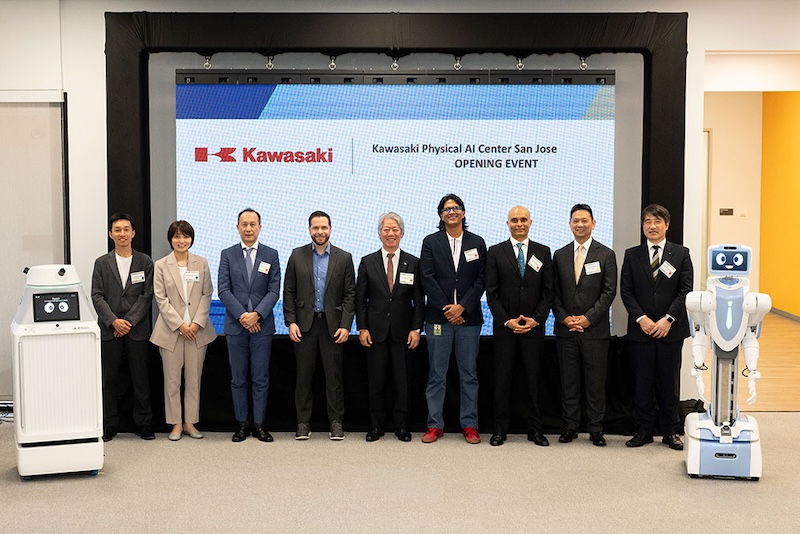
Notably, Kawasaki launched a physical AI hub in Silicon Valley. Furthermore, they are partnering with Nvidia, Microsoft, and Fujitsu. Additionally, their initial focus is on healthcare and elder care. Similarly, the center will use real-world data to train these systems. Consequently, the goal is to create AI that supports human actions and helps everyone.
Accelerating AI in Healthcare
This indicates a major shift toward physical AI in real-world settings. Therefore, Kawasaki’s partnerships with Nvidia, Microsoft, and Fujitsu show growing industry commitment. Moreover, healthcare and elder care are key priorities, addressing labor shortages affecting many communities. Consequently, the Silicon Valley hub aims to support, not replace, human workers. Similarly, global collaboration will speed up practical AI deployment across industries.
“What we aim for is NOT to replace people, but to deliver Physical AI that supports human judgment and action – safely and efficiently.”
Ultimately, Kawasaki’s Silicon Valley hub marks a bold step toward inclusive physical AI innovation. In conclusion, partnerships with Nvidia, Microsoft, and Fujitsu will drive real-world solutions for healthcare and elder care. Looking ahead, this collaboration promises to support people—not replace them—across many industries. Finally, the center shows that global teamwork can shape a better future for everyone.
Ultimately, Kawasaki’s new Silicon Valley center focuses on practical physical AI development. Therefore, it brings together major tech leaders to tackle key areas like healthcare. Consequently, the goal is to create helpful robots that support people, not replace them.
As a result, this collaboration could speed up solutions for real-world challenges. Accordingly, it aims to improve care and address labor shortages. In summary, the initiative is a significant step for human-centered AI in society.