
**Good News for Long COVID: Brain Inflammation May Fade, Not Persist**
3 min read
Therefore, the key driver of long-term symptoms changes over time. Importantly, feelings like depression and anxiety are linked to activity in brain areas for emotion. Consequently, treatments might need to shift focus.
Hence, therapies could better help by targeting emotional regulation and stress. Essentially, the findings suggest a personalized approach is crucial. Correspondingly, this moves the focus away from solely anti-inflammatory drugs.
| Comparison Factor | Long COVID Patients | Multiple Sclerosis (MS) Patients | Healthy Controls |
|---|---|---|---|
| White Matter Inflammation | Low; no significant elevation compared to healthy controls. Markedly lower than MS patients (DVR 1.03 vs. 1.06). | Significantly elevated; consistent with well-established, aggressive neuroinflammation characteristic of the disease. | Baseline low levels; served as the normative reference for comparison. |
| Neurodegeneration & Glial Damage Markers | No statistical differences in serum NfL or GFAP compared to healthy controls, indicating no sustained neuronal or glial injury. | Expected elevation in neuronal and glial damage biomarkers consistent with chronic demyelination and neurodegeneration. | Normal baseline levels of NfL and GFAP biomarkers. |
| Time-Dependent Inflammation Pattern | Patients scanned within 16 months of infection showed higher white matter inflammation (DVR 1.05) than those scanned later (DVR 1.02), proving inflammation fades over time. | Persistent, chronic inflammation that does not follow a self-resolving temporal pattern. | No time-dependent inflammatory fluctuations observed. |
| Emotional & Limbic System Correlation | Depression, anxiety, and reduced quality of life directly correlated with elevated cellular activity in the hippocampus and amygdala — key stress and emotional regulation centers. | Symptoms primarily driven by structural white matter damage and widespread inflammatory burden rather than limbic-specific activation. | No significant correlation between limbic activity and psychiatric symptoms. |
| Recommended Therapeutic Approach | Targeted stress and emotional regulation interventions (e.g., cognitive-behavioral therapy, mindfulness) for long-term sufferers; anti-inflammatory drugs may only benefit early-stage patients (<16 months). | Established anti-inflammatory and immunomodulatory therapies (e.g., disease-modifying treatments) to manage chronic neuroinflammation. | No therapeutic intervention required. |
Long COVID Brain Inflammation Fades
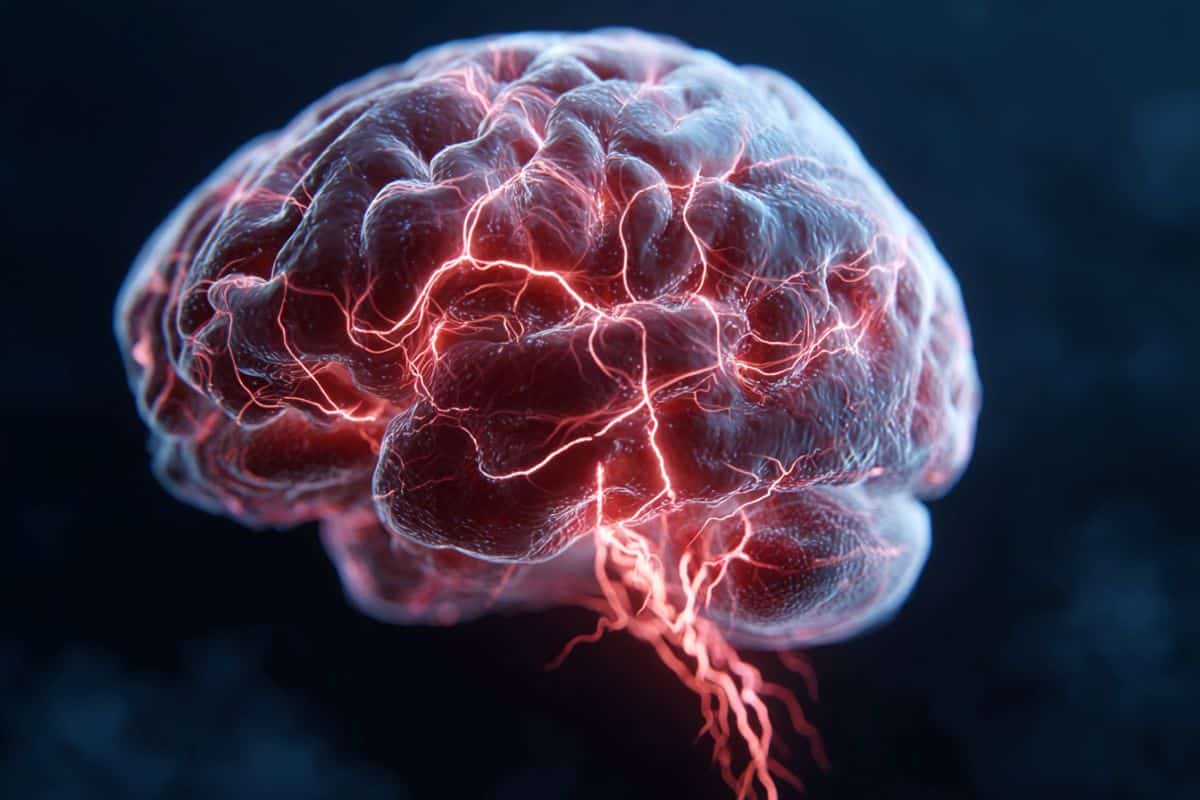
In addition, a precision neuroimaging study challenged the idea of persistent brain inflammation driving Long COVID. Consequently, they found no long-term neuroinflammation difference between people with Long COVID and healthy controls. Specifically, the data showed inflammation peaks early but naturally diminishes over time. Moreover, persistent symptoms were linked to activity in emotional and stress regulation networks. Therefore, treatment focus may need to shift for everyone.
Shifting Therapeutic Focus
“We did not observe evidence of widespread brain inflammation in patients with long COVID when compared to healthy controls.”
Ultimately, this research challenges the common belief about persistent brain inflammation in Long COVID. In conclusion, the study finds that widespread neuroinflammation naturally decreases over time after the initial infection. Therefore, the long-term symptoms are more closely linked to activity in brain regions that handle emotion and stress. Thus, the strategic focus for long-term management should shift accordingly.
Consequently, treating chronic symptoms may require new approaches. As a result, therapies targeting stress and emotional regulation are likely more beneficial than anti-inflammatory drugs for many patients. Accordingly, this refined understanding helps develop more precise and effective care for individuals living with Long COVID.