
Neuro-Interfaces Furthermore Moreover However
3 min read
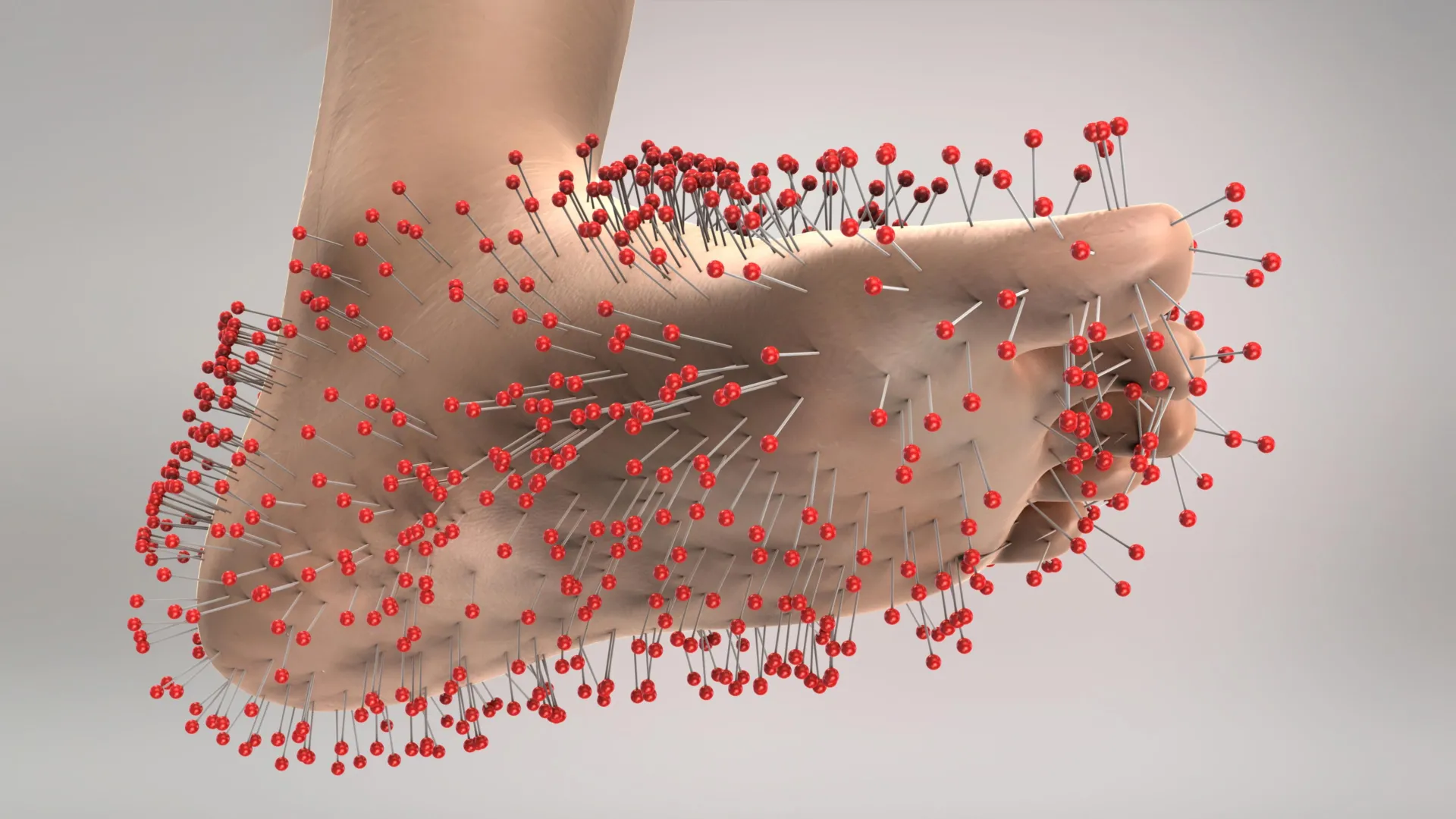
Furthermore, many people live with chronic pain from damaged nerves. Moreover, even a light touch can feel very painful for them. However, scientists may have found a new way to help.
Additionally, their research shows that nerve cells need tiny energy makers called mitochondria to work well. Consequently, scientists can now “recharge” damaged nerves by giving them healthy mitochondria. Therefore, this could stop pain at its source.
| Approach / Factor | How It Works | Key Outcome |
|---|---|---|
| Natural Mitochondrial Transfer (Glia → Neurons) | Satellite glial cells pass healthy mitochondria into sensory neurons via tunneling nanotubes, acting as a cellular energy-sharing support system. | Pain-related behaviors in mice dropped by up to 50%; supports nerve healing and reduces inflammation at the source. |
| Direct Mitochondrial Injection | Isolated mitochondria from human and mouse donors are injected directly into the dorsal root ganglia (sensory nerve cell clusters). | Significant pain reduction in diabetic neuropathy and chemotherapy-related nerve damage; relief lasted up to 48 hours. |
| Healthy vs. Diabetic Donor Mitochondria | Quality of transplanted mitochondria was tested by comparing mitochondria from healthy donors against those from diabetic patients. | Healthy mitochondria reduced pain effectively; diabetic mitochondria produced no benefit, highlighting quality is critical. |
| MYO10 Protein Identification | Researchers identified MYO10 as the key protein responsible for forming the tunneling nanotubes that enable intercellular mitochondrial transport. | Potential drug target — manipulating MYO10 could enhance or restore mitochondrial transfer in damaged nerves. |
| Conventional Pain Management (Baseline) | Traditional approaches block pain signals pharmacologically (e.g., analgesics, nerve blockers) without addressing underlying cellular dysfunction. | Symptom masking only; does not restore nerve function or reverse the root cause of chronic neuropathic pain. |
Mitochondrial Transfer for Pain Relief
In addition, this study shows that damaged nerves can be “recharged” by restoring their mitochondria, the tiny energy producers inside cells. Consequently, people with chronic pain from conditions like diabetic neuropathy may find real relief. Moreover, satellite glial cells share healthy mitochondria with neurons through tunneling nanotubes. Furthermore, researchers identified the protein MYO10 as key to this process. Therefore, this approach could help everyone by treating pain at its source, not just masking symptoms.
Revolutionizing Chronic Pain Treatment
“By giving damaged nerves fresh mitochondria — or helping them make more of their own — we can reduce inflammation and support healing. This approach has the potential to ease pain in a completely new way.”
Ultimately, this research reveals a revolutionary new approach to treating chronic pain. In conclusion, the transfer of healthy mitochondria may heal damaged nerves at their source. Looking ahead, this discovery offers hope for millions of people worldwide.
Ultimately, this research opens a promising new direction for treating chronic pain by addressing its root cause rather than just masking symptoms. Thus, restoring healthy mitochondria to damaged nerves could help millions of people living with conditions like diabetic neuropathy and chemotherapy-related nerve damage.
In conclusion, the discovery that glial cells can transfer mitochondria to neurons reveals a previously unknown healing mechanism in our bodies. Consequently, this finding may lead to treatments that offer longer-lasting relief for people who currently have few effective options