The Brain’s ‘Mental Typewriter’: How Compositional Thought Could Transform AI and Neurotechnology
3 min read
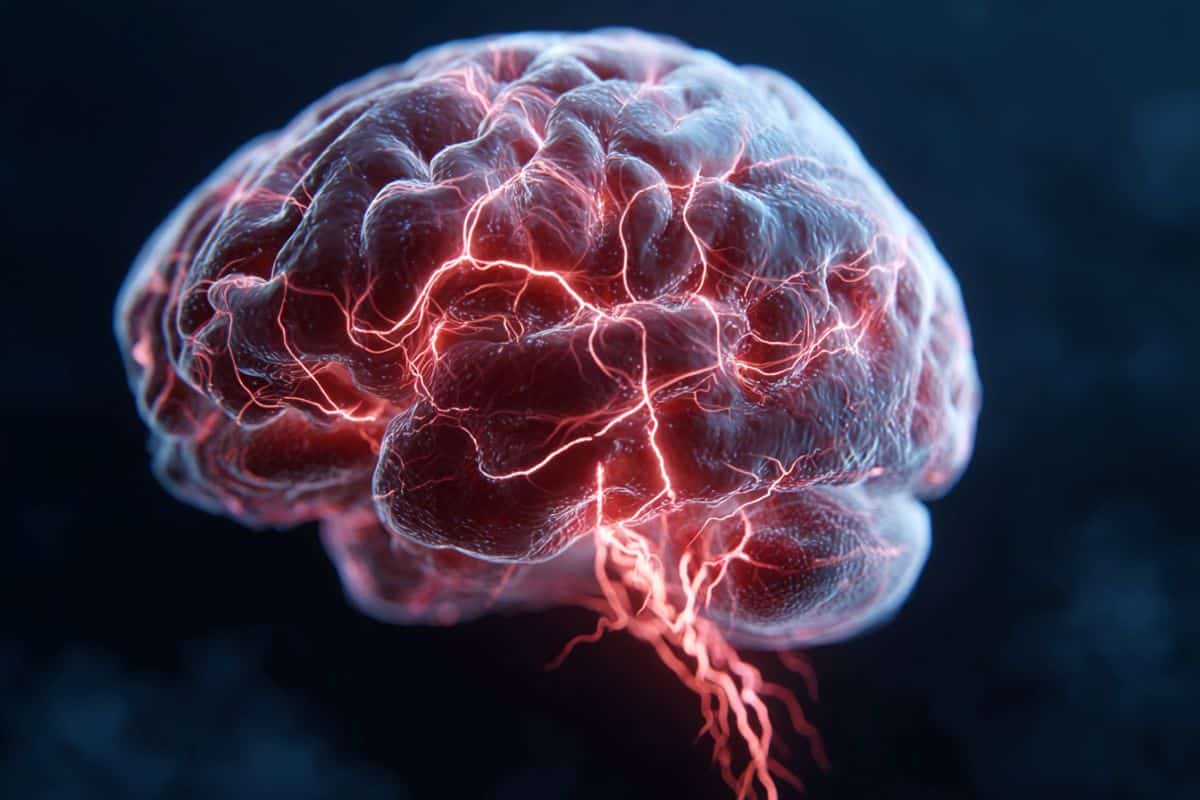
Imagine a child drawing a monster from real animal parts. This creative act uses compositional generalization, a key skill for new ideas. Researchers have now found the brain region responsible. Specifically, they located a symbolic engine in the ventral premotor cortex. Consequently, this redefines the area not just for movement but as a “mental typewriter” for abstract thought.
Furthermore, this discovery helps us understand how the brain builds fresh ideas from known pieces. Crucially, it offers a template for better brain-computer interfaces (BCIs). Similarly, it may lead to new ways to diagnose cognitive disorders. Therefore, this research provides a fundamental map of human creativity.
| Aspect | Traditional View | New Discovery |
|---|---|---|
| Ventral Premotor Cortex Function | A basic motor-planning zone responsible primarily for planning and executing finger movements, considered one step removed from direct muscle control. | An abstract “mental typewriter” that encodes discrete action symbols—high-level cognitive representations that are selected before being passed to the motor cortex for execution. |
| Symbols in the Brain | No definitive neural evidence existed for how the brain creates, stores, or reuses abstract symbolic units; the concept remained a influential but unproven cognitive-level hypothesis. | Population activity in the ventral premotor cortex encodes action symbols with invariance, categorical structure, and recombination—providing the first neural substrate for compositional generalization. |
| Brain-Computer Interfaces (BCIs) | BCIs attempt to read raw neural activity and translate it into speech or movement without a mechanistic understanding of how the brain assembles abstract thought into action sequences. | Knowing the symbolic “key-press” mechanism allows engineers to design BCIs that decode structured intent, enabling paralyzed individuals to communicate with greater fluency and accuracy. |
| Cognitive Disorder Diagnosis | Disorders like constructional apraxia or schizophrenia-related planning deficits were observed behaviorally (e.g., impaired drawing) without a clear neural model of what is breaking down. | The action-symbol framework offers a mechanistic diagnostic pathway: researchers can now pinpoint whether a disorder stems from faulty symbol encoding, retrieval, or recombination in the ventral premotor cortex. |
| Creativity & Problem-Solving | Creativity was understood phenomenologically—as the ability to combine familiar ideas into novel ones—without a known neural engine driving the recombination process. | The ventral premotor cortex acts as a neural recombination engine, enabling compositional generalization: the learned symbolic building blocks (words, shapes, actions) are flexibly reassembled to generate entirely new ideas. |
Ventral Cortex Drives Abstract Thought
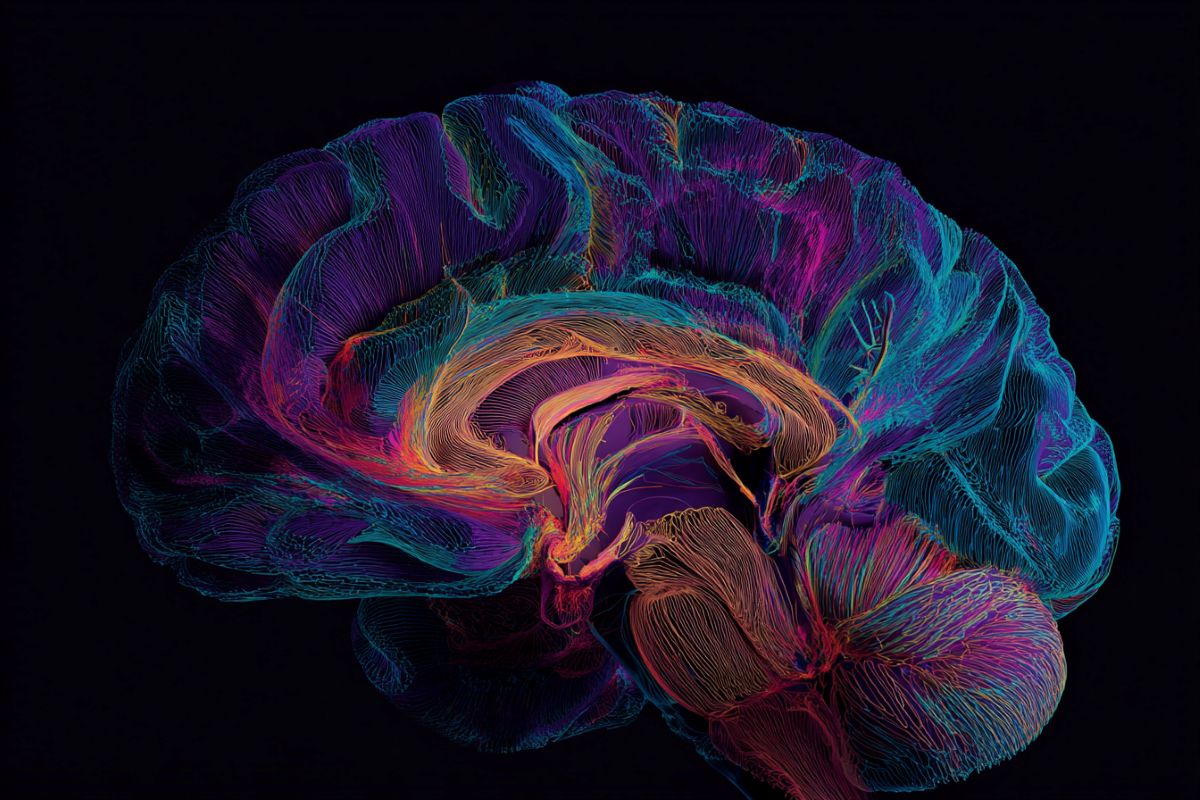
Specifically, researchers located the neural basis for abstract thought in the ventral premotor cortex. Moreover, this area functions as a “mental typewriter,” storing and recombining action symbols to generate new ideas. Consequently, understanding this process helps everyone, as it provides a framework to improve brain-computer interfaces. Therefore, this discovery can lead to better assistive technology for people with communication disorders and advance cognitive science.
Advancing Brain-Computer Interfaces
“The discovery solves a long-standing problem in cognitive neuroscience: Where do symbols—the basic units of thought—come from? It also points to a future—a near future—in which we can understand thinking mechanistically.”
Ultimately, researchers have identified the ventral premotor cortex as a key neural site for abstract thought. In conclusion, this area acts as a “mental typewriter,” assembling symbolic building blocks for creative ideas. Looking ahead, this discovery could enhance brain-computer interfaces and help diagnose cognitive disorders. Thus, it provides a vital mechanism for understanding human creativity and problem-solving.
Ultimately, this discovery reveals the ventral premotor cortex acts as an abstract “mental typewriter” for creating new ideas. Consequently, it provides the first neural evidence for how the brain reuses symbolic building blocks for creative thought.
Therefore, understanding this mechanism offers direct paths to improve brain-computer interfaces for communication. Accordingly, it also creates new ways to assess cognitive disorders affecting planning and creativity in people.