Unlocking the Hypothalamic “Master Switch”: A Single Protein’s Reversal of Age-Related Decline
3 min read
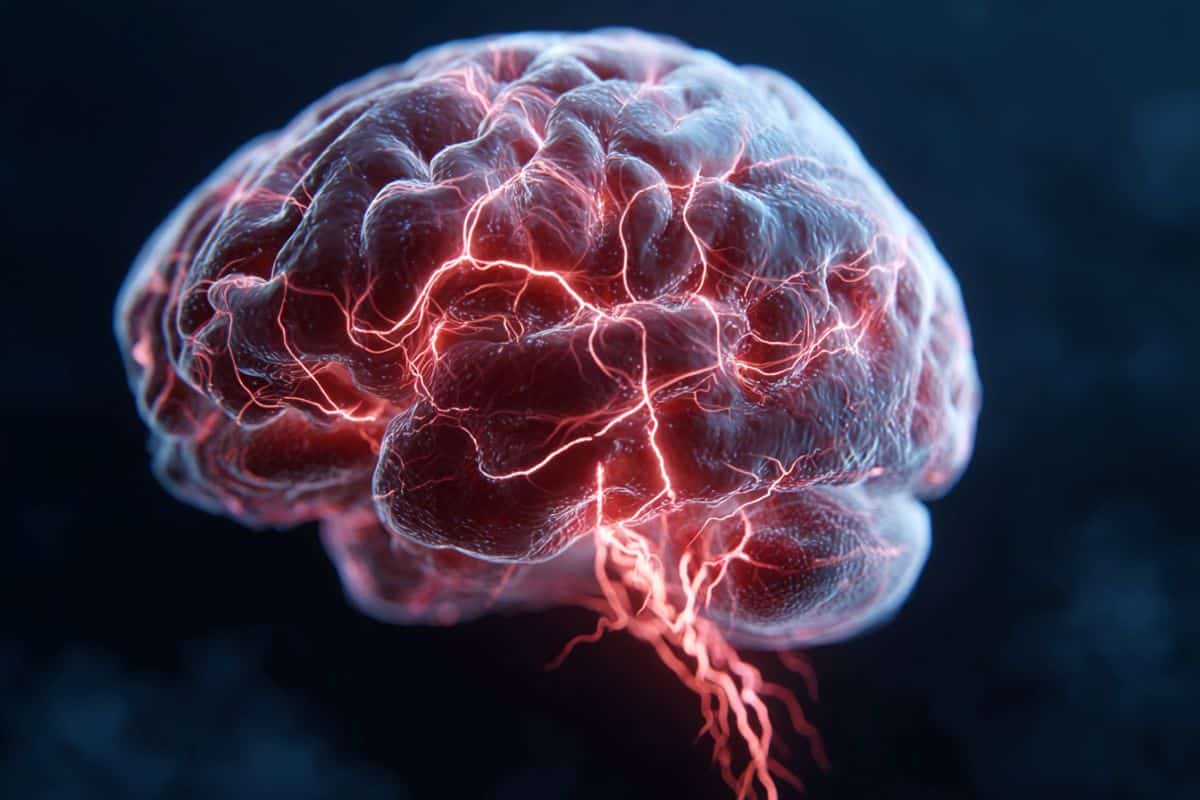
Importantly, scientists have discovered a hidden driver of aging in the brain. Specifically, a protein called Menin declines with age in the hypothalamus. Moreover, this loss triggers inflammation and cognitive decline.
Consequently, researchers restored Menin in aging mice. As a result, they saw improvements in memory, balance, and bone density.
| Aspect | Key Finding / Mechanism | Implication / Potential |
|---|---|---|
| Menin Protein Decline | Levels of the brain protein Menin drop sharply in the ventromedial hypothalamus (VMH) with age, triggering inflammation, memory problems, and systemic aging phenotypes in mice. | Restoring Menin in the VMH of aged mice reversed multiple signs of aging (e.g., improved cognition, bone density), suggesting it may be a central “anti-aging” regulator. |
| D-Serine Supplementation | Menin decline reduces D-serine production (an amino acid and neurotransmitter important for learning and memory). D-serine levels are linked to synaptic plasticity and cognitive health. | Supplementation with D-serine alone improved cognitive performance in aged mice, presenting a simple dietary approach to potentially combat age-related cognitive decline. |
| Hypothalamus Role | The hypothalamus is increasingly identified as a command center for systemic aging, coordinating metabolism, hormones, inflammation, and now protein-driven pathways like Menin. | Targeting hypothalamic pathways (genetic, inflammatory, metabolic) opens new avenues for interventions to slow or reverse age-related decline, moving beyond symptom management. |
Menin Drives Brain Aging Switch
In addition, scientists found a hidden aging switch in the hypothalamus. Consequently, when Menin protein levels drop, they trigger inflammation and memory decline. As a result, restoring Menin reversed these effects in mice. Therefore, a simple D-serine supplement also helped improve cognition. Similarly, this region acts as a central command center for aging. Moreover, the discovery opens new paths for fighting decline. Furthermore, researchers caution that human applications are not yet proven. Additionally, Menin affects multiple aging pathways. Specifically, it regulates neuroinflammation and metabolism. Notably, the research is in an early stage. In particular, Menin appears to be a key protective protein.
Implications for Aging Therapies
This indicates Menin decline acts as a primary driver of aging. Moreover, the hypothalamus is a key control center for this process. Consequently, restoring Menin in mice reversed several age-related deficits. Hence, the amino acid D-serine, linked to Menin, may help improve cognition.
“We speculate that the decline of Menin expression in the hypothalamus with age may be one of the driving factors of aging, and Menin may be the key protein connecting the genetic, inflammatory, and metabolic factors of aging. D-serine is a potentially promising therapeutic for cognitive decline.”
Ultimately, researchers have identified the brain protein Menin as a key driver of aging. In conclusion, its decline triggers inflammation and cognitive decline. Looking ahead, these findings suggest new therapeutic pathways. As a result, a simple supplement showed promise in mice. Therefore, D-serine may help reverse age-related brain effects. Thus, the hypothalamus is a central command center for aging. Hence, this work offers a surprising glimpse into the aging process. In summary, restoring Menin reversed multiple signs of aging in animals. To conclude, the research is still early and requires human studies. Finally, scientists caution that more work is needed for safety. Accordingly, the discovery opens a promising path for fighting decline.
Ultimately, this research identifies Menin in the hypothalamus as a key protein whose decline may drive aging. Consequently, restoring Menin in older mice reversed several age-related problems.
Therefore, the amino acid supplement D-serine improved cognition, but not physical aging. In summary, these findings point to a new target for potentially healthy aging, though more research in people is needed.