**AI Reveals Obesity’s Silent Harm to Facial Nerves**
3 min read
Importantly, a new AI system has found a hidden effect of obesity. Moreover, it shows obesity can damage facial nerves that control touch and feeling. Consequently, this harm goes beyond just changing how the body uses food.
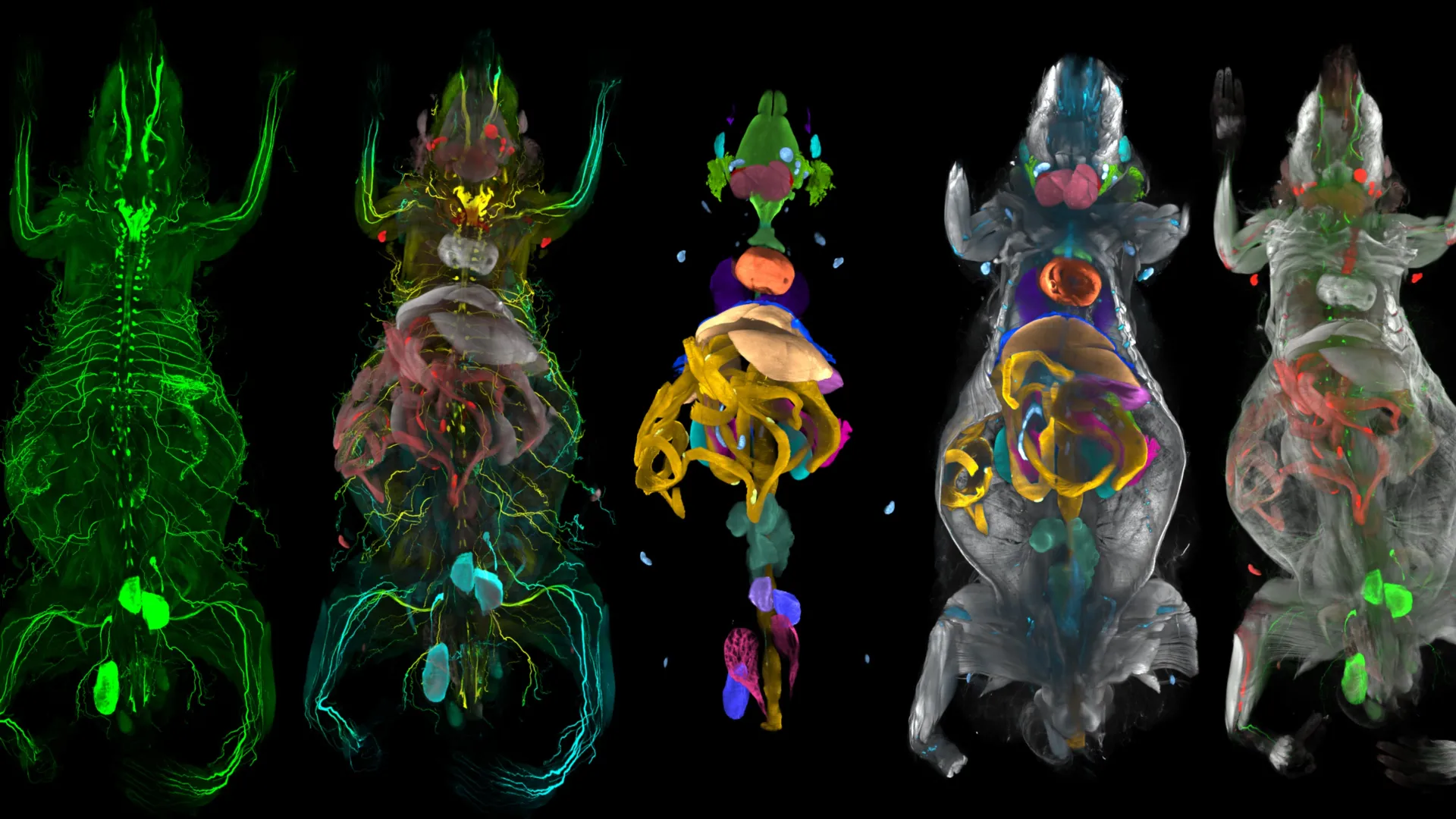
Furthermore, scientists used a tool called MouseMapper to see inside whole mouse bodies. Consequently, it found obesity causes widespread inflammation and nerve harm. Similarly, checking human tissue found the same patterns. Therefore, this damage may also occur in people.
Additionally, this new AI tool lets researchers study many diseases at once. Crucially, it helps understand how the body works as one connected system. Hence, it could lead to better treatments for conditions like diabetes and cancer.
| Aspect | Traditional Body-Mapping Methods | MouseMapper (AI-Powered System) |
|---|---|---|
| Scope of Analysis | Limited to pre-selected individual organs or tissue sections | Simultaneous whole-body analysis of 31 organ and tissue types in intact mice |
| Resolution & Detail | Variable; often lacks cellular-level precision across large volumes | Cellular-level 3D mapping of nerves, immune cells, and anatomical structures using foundation-model deep learning |
| Nerve Damage Detection | Difficult to detect subtle, widespread peripheral nerve changes outside the nervous system | Identified previously unknown trigeminal sensory nerve degeneration in obese mice, confirmed via behavioral tests |
| Translation to Humans | Often limited by species-specific tissue analysis techniques | Molecular signatures of nerve damage validated in human trigeminal tissue, suggesting conserved disease mechanisms |
| Disease Research Potential | Fragmented understanding; misses multi-organ interactions | Enables integrated, systems-level study of obesity, diabetes, cancer, neurodegenerative, and autoimmune diseases; open datasets for global research |
AI Reveals Obesity’s Nerve Damage
In addition, a new AI body map reveals that obesity can secretly harm facial nerves. Specifically, the tool found damage to the trigeminal nerve, which is important for sensation. Moreover, it showed widespread inflammation in mouse bodies. Consequently, similar molecular signatures were found in human tissue. Therefore, this helps everyone understand hidden risks. Furthermore, the tool gives people a new way to study complex diseases.
Obesity’s Hidden Nerve Damage Revealed
“Our long-term vision is to build truly realistic digital twins of mice in health and disease: cell-level atlases that we can query, perturb and screen in silico computationally. That would let us pinpoint the earliest changes a disease causes, design interventions to prevent them, and accelerate the discovery of new treatments while reducing the number of physical experiments we need to run.”
Ultimately, this new AI tool reveals a hidden health impact of obesity. In conclusion, it shows obesity can damage specific facial nerves. Therefore, this discovery goes beyond traditional metabolic understanding. Thus, the MouseMapper technology offers a powerful new way to study complex diseases.
Consequently, this whole-body approach could accelerate medical research. As a result, scientists may find new treatments faster. Accordingly, sharing the data openly will help researchers worldwide. In summary, this method promises a more connected understanding of human health.