
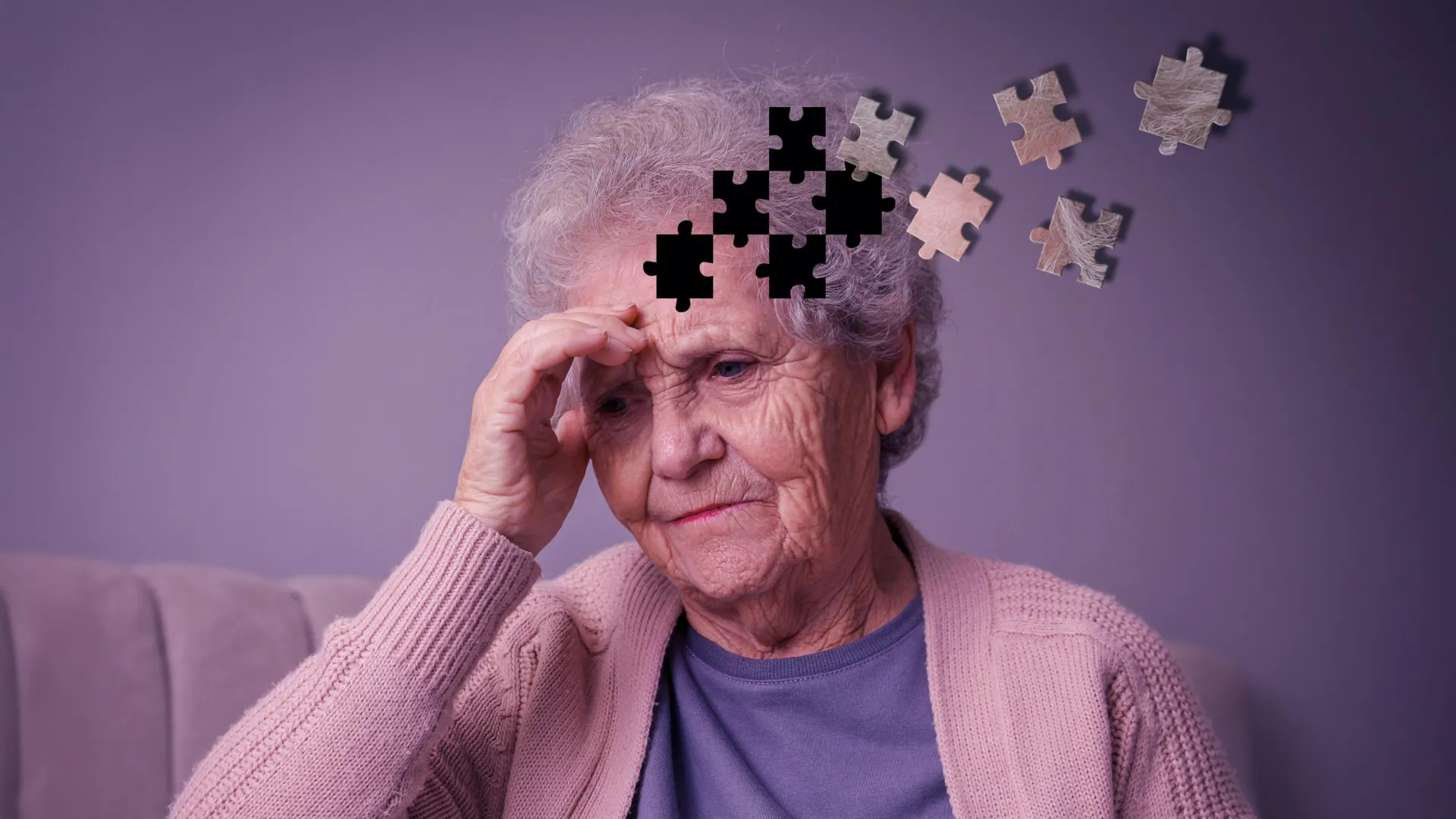
Breaking the Alzheimer’s Gender Gap: Why Women’s Brains Face Double the Damage from Common Health Risks
2 min read
Alzheimer’s disease affects women more than men. Indeed, new research helps explain this major health gap. Moreover, the study finds that common risk factors damage women’s brains more intensely. Consequently, women may need different health strategies.
Specifically, factors like depression and high blood pressure show a stronger impact on women’s thinking. Therefore, prevention should focus on these key risks. Ultimately, this personalized approach is crucial for their future health. Hence, it offers hope for better protection against dementia.
| Risk Factor | Women | Men |
|---|---|---|
| Prevalence | Higher rates of depression (17%), physical inactivity (48%), and sleep problems (45%). | Higher rates of hearing loss (64%), diabetes (24%), and heavy alcohol use (22%). |
| Cognitive Impact | Risk factors like hypertension and elevated BMI have a steeper negative association with cognition. | Risk factors like hypertension and elevated BMI show a less severe cognitive impact. |
| Overall Burden | Account for nearly two-thirds of Alzheimer’s cases in the U.S. | Account for just over one-third of Alzheimer’s cases in the U.S. |
| Implication for Prevention | Requires tailored strategies focusing on managing depression, increasing activity, and cardiovascular health. | Standard prevention strategies may be broadly effective. |
Alzheimer’s Risk in Women
In addition, researchers found common dementia risk factors may harm women’s brains more than men’s. Consequently, this helps explain why Alzheimer’s affects more women. Therefore, they suggest prevention must consider these differences. Similarly, conditions like depression and physical inactivity show stronger links to cognitive decline in women. Moreover, the study highlights the need for personalized medicine. Finally, this research can help create better health plans for everyone.
“Looking beyond which risk factors are most common, we found that some have a disproportionately larger impact on women’s cognition. This suggests that prevention efforts may be more effective if they are tailored not just to risk factor prevalence, but to how strongly each factor affects cognition in women versus men.”
Ultimately, this research reveals that dementia risk factors like depression, physical inactivity, and cardiovascular health affect women’s cognition more deeply than men’s. Therefore, future prevention strategies must consider sex-specific impacts rather than relying on one-size-fits-all approaches. Consequently, healthcare providers should prioritize tailored interventions for women, focusing on managing blood pressure, increasing activity, and addressing mental health.
Thus, personalized dementia prevention could significantly reduce the growing burden of Alzheimer’s disease, especially among women. Accordingly, policymakers and researchers should invest in sex-informed studies to close existing knowledge gaps. In summary, understanding these differences is a vital step toward building a more equitable and effective approach to brain health for everyone.