From Hardware to Software: The Pentagon’s Strategic Pivot to Command Drone Swarms
3 min read
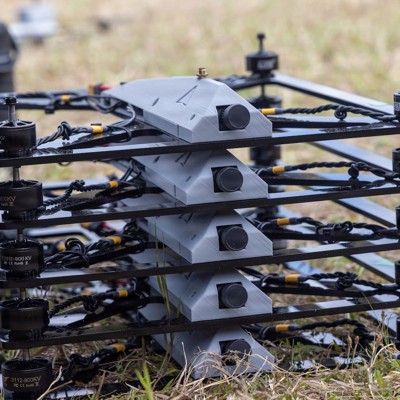
Significantly, the Pentagon is betting $54 billion on a new group called DAWG to speed up its use of autonomous weapons. For example, their old Replicator Initiative failed because its drones were expensive, buggy, and hard to make. Consequently, DAWG will focus more on the needed software to control drone swarms.
However, spending this much money so fast is a huge challenge. Importantly, officials must ensure these autonomous systems work safely together. Essentially, this massive budget shows the military believes future wars will be fought with intelligent machines. Thus, DAWG represents a permanent shift in strategy.
| Aspect | Replicator Initiative (2023–2025) | DAWG – Defense Autonomous Warfare Group (2026+) |
|---|---|---|
| Budget Scale | No dedicated line-item budget; program was absorbed into the FY26 allocation of $225.9 million before dissolution. | $54.6 billion requested in the FY27 budget — a ~24,000% increase, with $53 billion in a flexible five-year reconciliation pot. |
| Strategic Focus | Hardware-first approach: rushed procurement of specific, ready-built drone platforms that proved expensive, slow to manufacture, and plagued by persistent technical issues. | Software-first approach: prioritising orchestration tools, AI pilot software (e.g., Shield AI’s Hivemind), and swarm command capabilities that can be flashed onto any cheap drone frame. |
| Institutional Structure | Sat under the Defense Innovation Unit as a pilot program with no permanent home; lacked contracting infrastructure, dedicated staff, and consistent congressional funding. | Elevated to a near-permanent branch of the military apparatus; a dedicated Sub-Unified Command for Autonomous Warfare is being created, with regional autonomous warfare commands (e.g., at SOUTHCOM) reporting into it. |
| Acquisition & Oversight | Trapped in traditional one-year procurement cycles; struggled with up-front vetting, unfinished systems, and lack of transparency on lifecycle costs — leading to heavy congressional pushback. | Funds divided between a $1 billion restricted base budget and a $53 billion flexible pot (up to five years to obligate), allowing incremental investment as technology matures and avoiding overproduction. |
| Key Risk | Failed to deliver: drones couldn’t integrate with existing C2 systems, and no swarm-orchestration software was ever procured — the core capability gap that doomed the program. | Policy gap: DoD Directive 3000.09 mandates human judgement over AI weapons, but orchestrating thousands of autonomous systems simultaneously makes human-in-the-loop oversight a mathematical impossibility — rules of engagement remain unresolved. |
Pentagon’s Autonomous Warfare Bet
Implications of Autonomous Warfare Surge
“largest single commitment to autonomous warfare in history.”
Ultimately, the Pentagon’s $54 billion bet signals a historic shift toward autonomous warfare. In conclusion, DAWG must balance rapid innovation with responsible oversight. Looking ahead, success will depend on inclusive dialogue between military leaders, lawmakers, and communities. Thus, the true measure of this investment will be whether autonomous systems serve all people safely and ethically.
Ultimately, the shift from the failed Replicator initiative to the permanent DAWG structure shows a serious institutional commitment. Consequently, the focus is moving from specific hardware to adaptable software for autonomous swarms.
Thus, the true challenge now is execution and integration. Therefore, success will depend on developing clear doctrine and safely incorporating these systems, not just on the massive funding allocated.