Global Policy Strategic Introduction Essentially Libya
2 min read
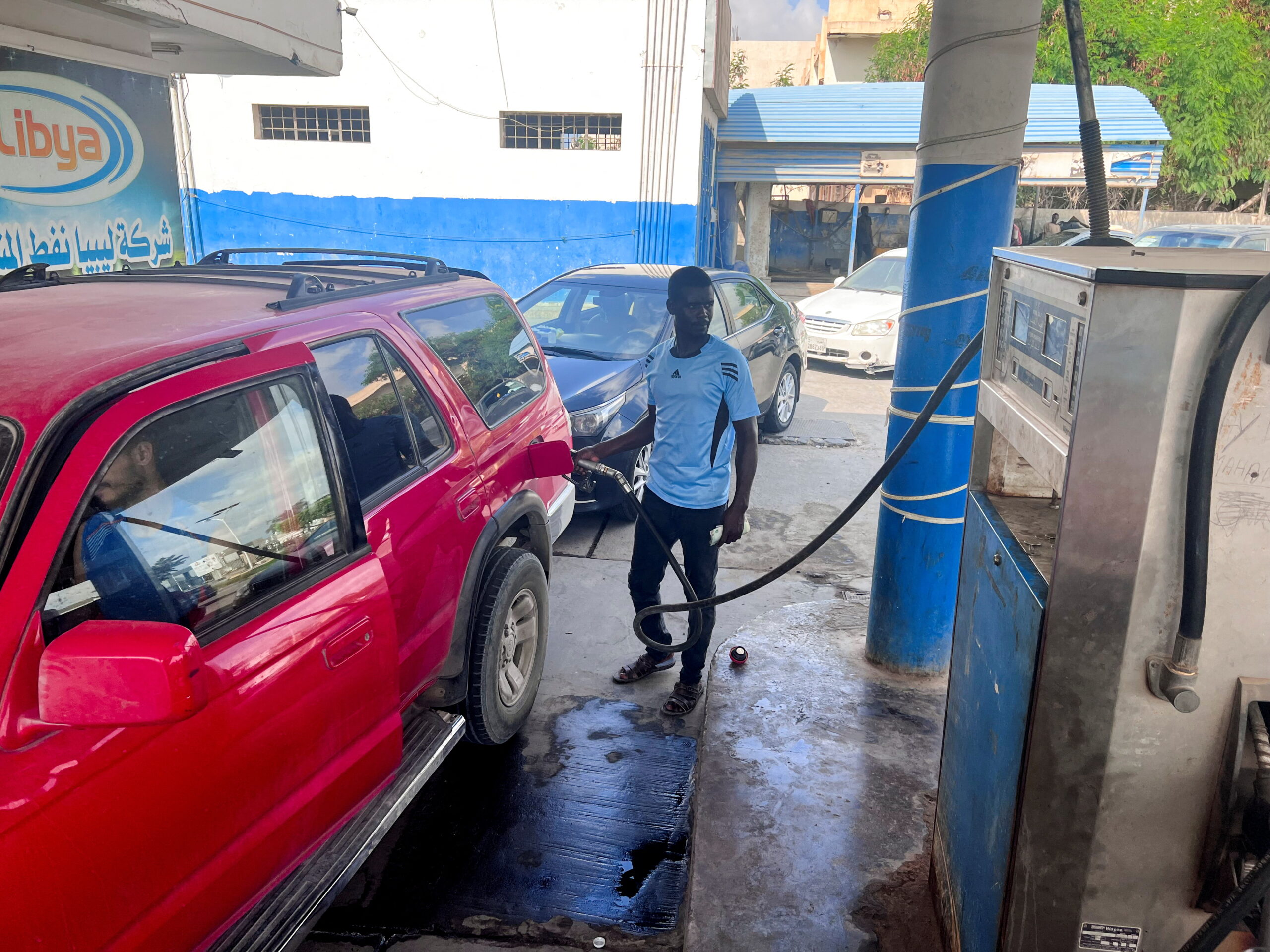
Essentially, Libya is experiencing a major oil windfall with record-high production. However, this money has not helped ordinary people. In fact, the country faces a severe cost of living crisis with rising prices.
Specifically, the core problem is parallel spending by rival governments and weak oversight. Consequently, more revenue alone will not fix the economy. Therefore, a new unified budget offers a potential path, but only if it includes strong accountability and transparency for the Libyan people.
| Aspect | Current Situation | Implications / Outlook |
|---|---|---|
| Oil Revenue | Production at a 10-year high (~1.4M barrels/day), with a goal of 1.6M by end of 2026. High global prices create a revenue windfall. | Provides short-term fiscal breathing room but, as warned by the IMF, risks increasing long-term vulnerabilities if spent unsustainably. |
| Currency & Cost of Living | Two sharp devaluations of the dinar in under a year failed to close the black-market gap. Inflation is surging, eroding purchasing power. | Public hardship and unrest are growing. A weaker currency makes basic goods unaffordable and diminishes the real value of public wages. |
| Governance & Fiscal Path | Rival authorities engage in parallel, uncontrolled deficit spending. Institutional fragmentation and weak oversight persist. | The IMF and World Bank deem the current fiscal path unsustainable. High revenues fuel a “distorted political economy” of patronage. |
| Policy Response (Unified Budget) | A historic unified budget agreement was signed in April 2025, linked to economic stability goals. | A critical test. Its success depends on implementing transparency, independent oversight, and accountability—not just spending caps. |
Oil Windfall Won’t Fix Libya
In addition, Libya’s oil revenues cannot solve their deep economic crisis alone. Moreover, parallel spending by rival authorities weakens the dinar and raises costs for everyone. Consequently, unified budget efforts offer hope, but only with transparency and oversight. Similarly, institutional fragmentation allows elites to use oil money as patronage, not public goods. Furthermore, without accountability mechanisms, short-term stability will not lead to lasting prosperity for the Libyan people.
Economic Implications of Oil Windfall
This indicates Libya’s high oil revenue alone cannot solve its deep economic problems. Therefore, a devalued currency has increased the cost of living for everyone. Moreover, this creates a cost of living crisis despite state wealth. Thus, a unified budget with strong oversight offers a potential path toward stability.
“Libya’s national wealth is being absorbed into a distorted political economy that fuels unaccountable spending and weaponizes oil revenue.”
Ultimately, oil wealth alone cannot save Libya. In conclusion, accountable governance matters more than revenue. Looking ahead, transparency must guide all spending. As a result, citizens will see real benefits. Therefore, leaders must embrace oversight. Thus, parallel spending must end. Hence, public trust can grow. In summary, fair budgets serve everyone. To conclude, Libyans deserve lasting stability. Finally, united action offers hope. Accordingly, all stakeholders must commit.
Ultimately, Libya’s oil windfall cannot fix its economy without addressing deep-seated issues. In conclusion, parallel spending and institutional fragmentation undermine stability. Therefore, increased revenues may lead to more vulnerability if not managed properly. Thus, sustainable growth requires transparency and oversight.
Consequently, the unified budget is a positive step but must be implemented with accountability. As a result, transparency and independent oversight must be prioritized. Accordingly, the United States should support technical assistance and