INTEL-REF: NATO-REBAL-2026
NATO REDUX:
Strategic Rebalancing
From managed stability to a partnership of peers. The blueprint for the Transatlantic evolution.
The era of U.S.-led management is over. The alliance must cease mere maintenance and embrace structural rebalancing. The visit of Secretary General Mark Rutte to Washington signaled that internal tensions are no longer frictions—they are structural flaws requiring a new contract of defense.
The Core Question
It is no longer about if the U.S. will defend Europe, but under what terms that defense is delivered.
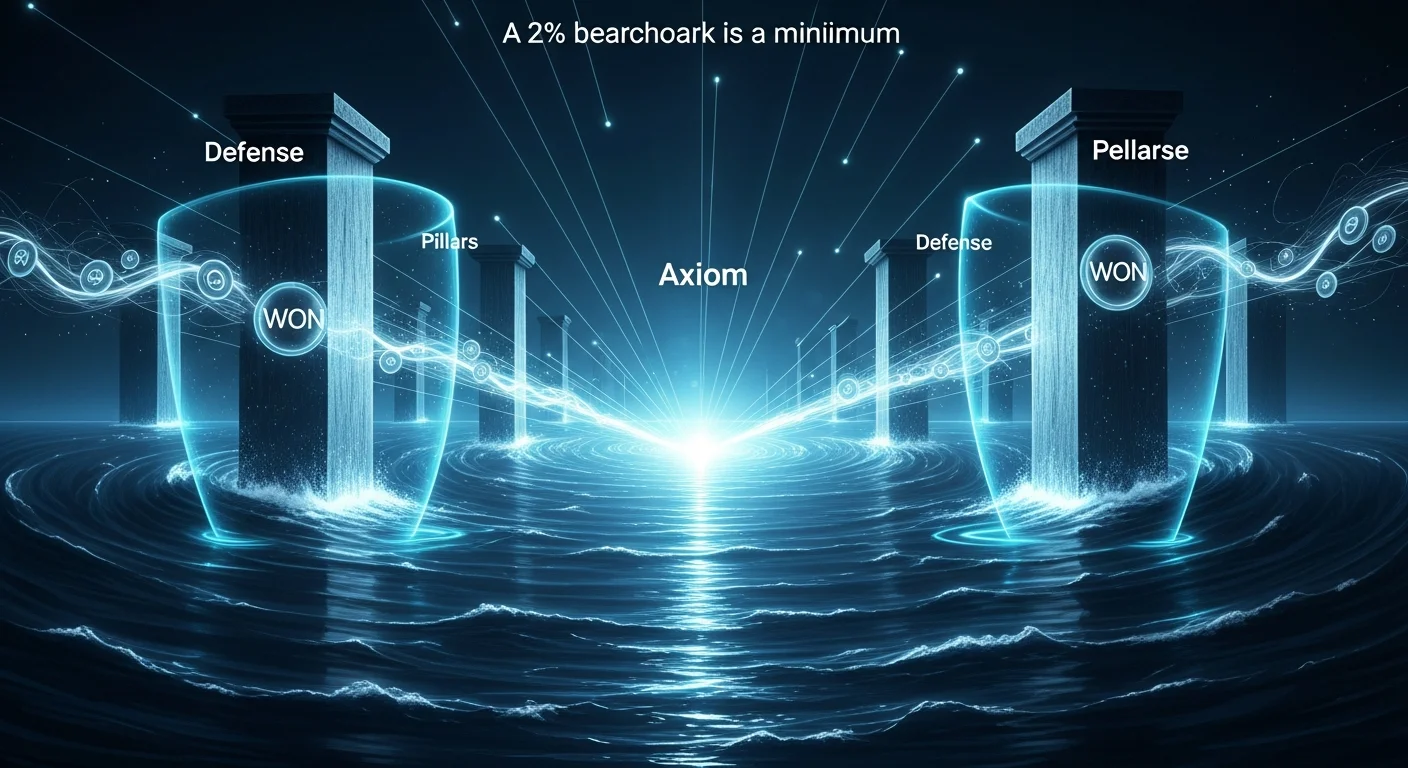
Strategic Visualization: Transatlantic Burden-Sharing (2014-2026)
3 Nations
23+ Nations
Visual Analysis: The 2% benchmark is a floor, not a ceiling. Modern metrics must capture readiness, industrial capacity, and regional strategic impact.
The Structural Crisis: Dependency Traps
The foundational crisis is one of trust. European allies have moved from anxiety about abandonment to a fear of political ambiguity. Deterrence rests on three pillars of credibility:
Credibility Gap
Commitment ambiguity is a direct asset to adversaries like Russia and Iran.
Dependency Trap
Critical reliance on U.S. enablers (Intel, Logistics, Munitions) is a two-war liability.
Consultation
Transitioning from being “informed” to being “consulted” on global strategic shifts.
| Theater | U.S. Primary Contribution | European Primary Contribution | Strategic Lesson |
|---|---|---|---|
| Eastern Flank | Strategic Intel, ATACMS, Political Resolve. | Proximity, Host Nation Support, Armor. | U.S. capacity is irreplaceable for high-intensity, but European staying power is foundational. |
| Middle East | Carrier Groups, Command Structure. | Staging bases (Djibouti/UAE), Naval Escort. | European assets provide legitimacy and reduce sole U.S. exposure. |
The Pillars of Reform
1. Integrated Capability over National Spending
Germany’s €100B fund and Poland’s 5% GDP target are significant, but fragmented. Success requires Pooled Procurement and Industrial Depth—building supply chains for missiles and semiconductors within the Euro-Atlantic sphere.
2. The Strategic Value Scorecard
Moving the conversation from “Who pays?” to “Who delivers?”. New KPIs must include High-Readiness Force Contribution and Cyber/Hybrid Resilience.
3. Strategic Complementarity
A stronger European pillar frees U.S. capacity for the Indo-Pacific. It is not about duplication; it is about Europe acting as a first responder in its neighborhood.
The Axiom Take
Rebalancing NATO is a hard-nosed strategic necessity for the U.S. A capable European net-producer of security is the prerequisite for a sustainable pivot to Asia. The era of management is over. The era of concrete deliverables starts now.
FAQ: Strategic Memo
Q: Is the U.S. leaving NATO?
A: No. It is evolving from a patron-client model to a partnership of capable peers.
Q: Will Europe duplicate U.S. efforts?
A: No. Strategic complementarity creates an efficient division of labor—Europe handles territorial defense while the U.S. focuses on high-end global power.
External Data Tracks