Novel Antibody Repairs Acute Spinal Cord Lesions – Neuroscience News
3 min read
Spinal cord injuries can tragically limit a person’s movement and independence. However, a new medical breakthrough offers a powerful source of hope. Specifically, a novel antibody called NG101 has been shown to help repair damage from acute injuries.
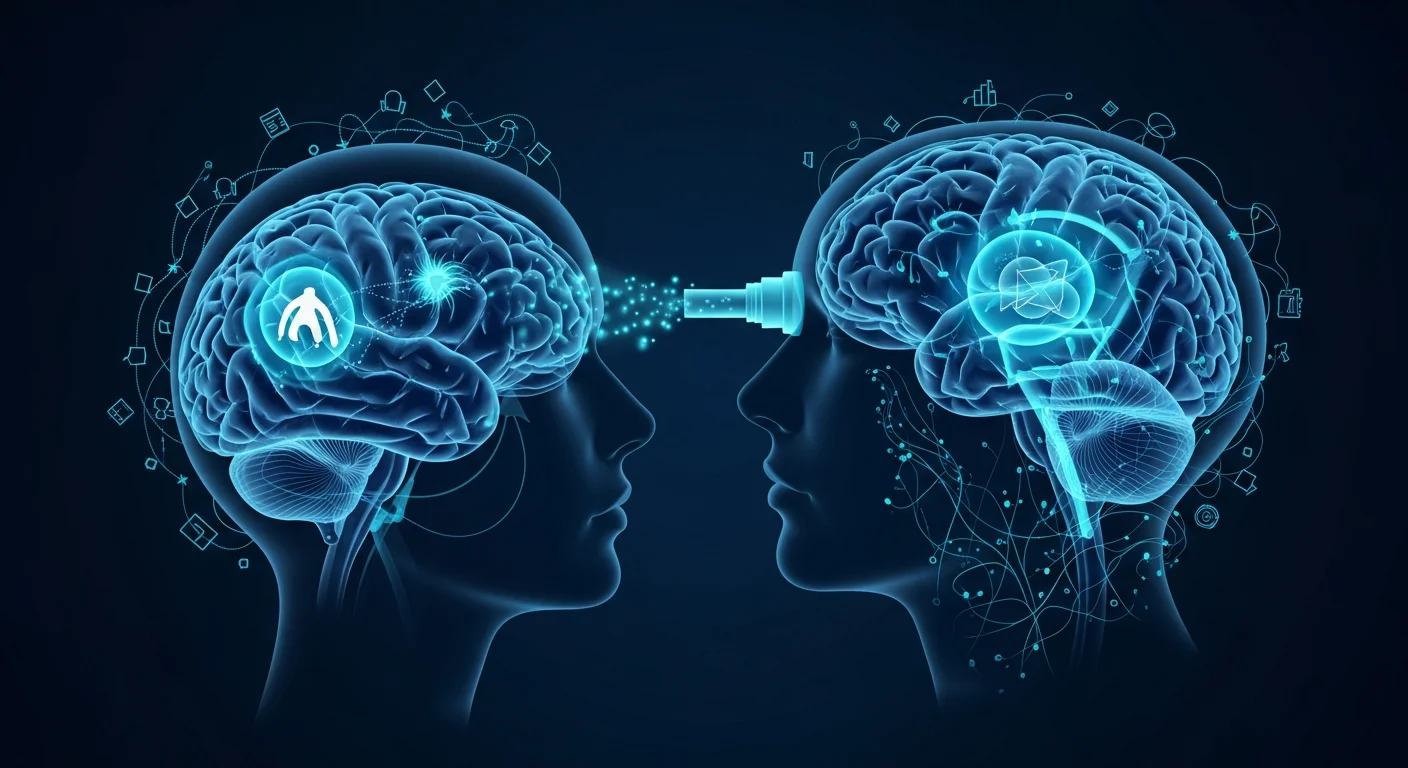
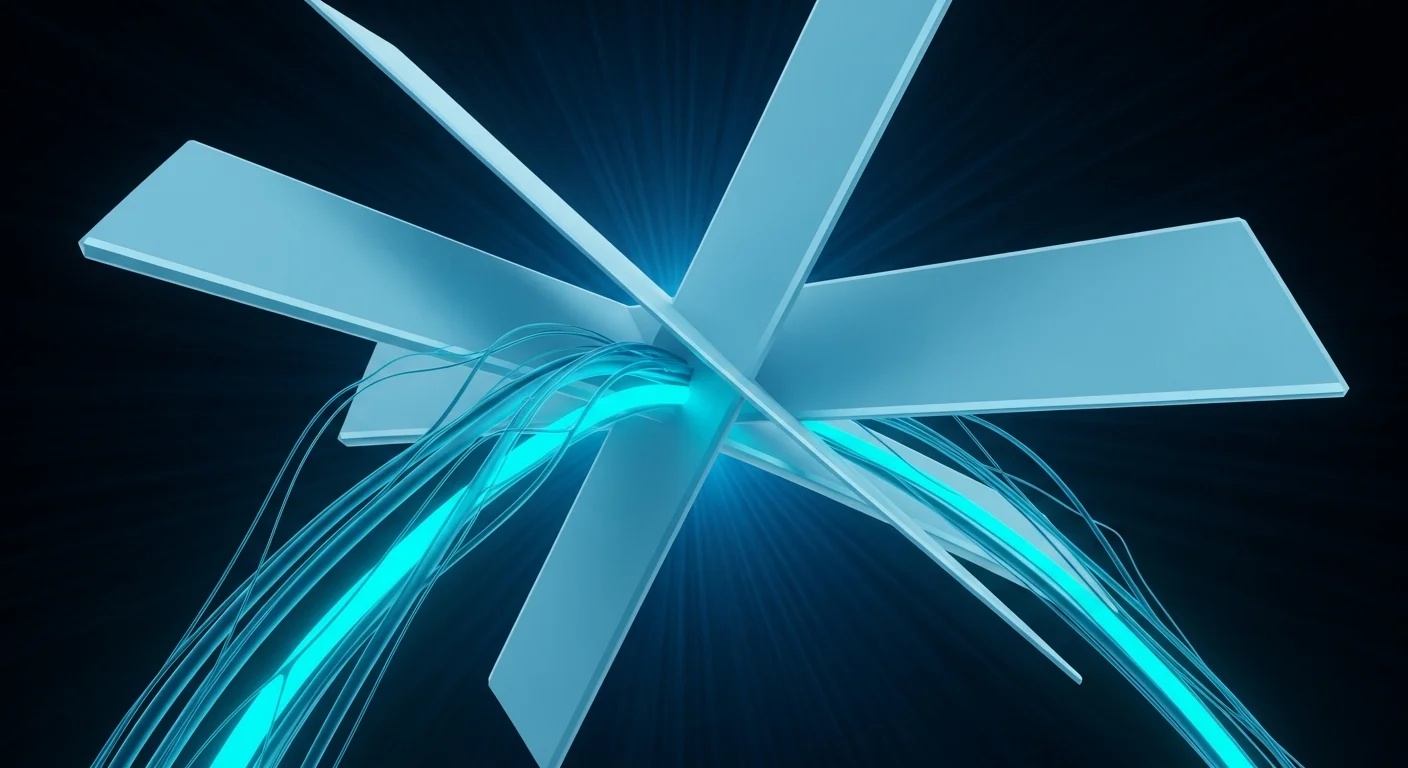
Importantly, this antibody works by blocking a natural protein called Nogo-A. Essentially, Nogo-A acts like a brake, stopping injured nerve fibers from regrowing. Consequently, NG101 removes this barrier to allow healing to begin.
Furthermore, advanced imaging proves the therapy works. Indeed, it helps nerve fibers regenerate and slows tissue loss. As a result, patients may recover critical functions in their arms and hands, offering a brighter path forward.
| Therapy Aspect | Mechanism / Detail | Observed Clinical Result |
|---|---|---|
| Molecular Target | NG101 neutralizes Nogo-A, a protein in nerve fiber sheaths that actively blocks axon regeneration after acute trauma | Growth barrier removed, allowing natural regeneration processes to resume |
| Lesion Healing | Antibody therapy promotes nerve fiber regeneration in tissue surrounding the spinal cord injury site | MRI confirmed significantly faster lesion volume reduction compared to placebo |
| Tissue Preservation | Slows trauma-induced progressive degeneration of micro- and macro-structures within the spinal cord | Decline of cross-sectional area and myelin integrity in corticospinal tracts and dorsal columns was slowed |
| Nerve Fiber Regrowth | Stimulates sprouting of entirely new axons that navigate across or around the injury site | Visible architecture of freshly sprouting nerve fibers replaced degraded tissue on imaging |
| Functional Reconnection | Surviving and newly formed fibers re-establish pathways linking the brain to spinal cord centers controlling peripheral nerves | Improved upper extremity motor function; greater chance of recovering arm and hand use |
NG101 Repairs Acute Spinal Lesions
Breakthrough in Spinal Cord Repair
“We are now able to visualize the effect of the therapy early on and in an objective way. This opens up the possibility of using future treatments more strategically and conducting a more reliable evaluation of their outcomes.”
Ultimately, this antibody therapy offers new hope for people living with spinal cord injuries. Therefore, neutralizing the Nogo-A protein allows nerve fibers to heal and reconnect. Thus, advanced imaging confirms real structural repair, not just symptom relief. In conclusion, this breakthrough brings us closer to restoring independence and function for everyone affected.
Ultimately, a new antibody called NG101 effectively removes a key barrier to healing after spinal cord injury. Consequently, it helps preserve existing nerve tissue and speeds up the repair of damaged areas. Thus, this allows nerve fibers to reconnect important brain-to-body pathways.
Therefore, this treatment offers a clear strategic advantage for patient recovery. Accordingly, its early visible effects via imaging can guide more effective future treatments. In summary, it represents a major step forward in restoring function after acute spinal cord trauma.