
Robotics Furthermore Specifically
2 min read
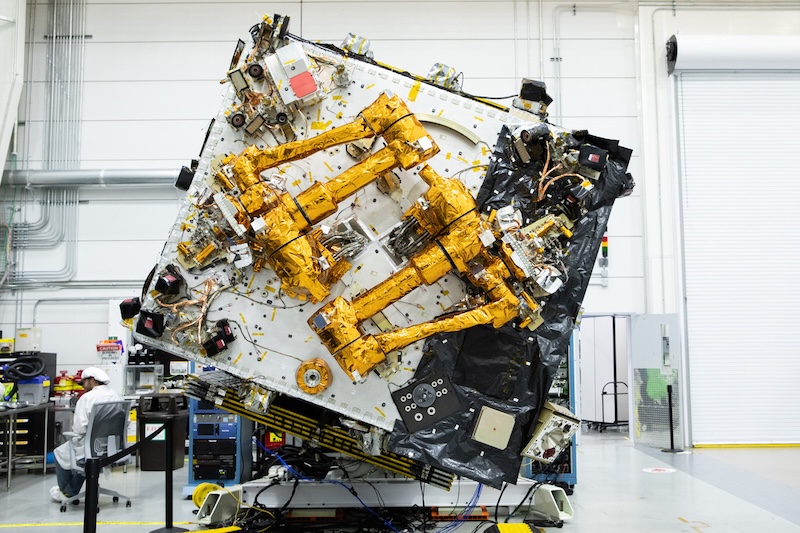
Furthermore, DARPA is preparing a bold robotic satellite servicing mission for 2026. Specifically, this mission aims to prove that robots can fix, upgrade, and move satellites in space. Additionally, this could change how we think about space technology.
Moreover, the mission uses a robotic spacecraft with smart arms to inspect and repair satellites in orbit. Consequently, instead of replacing old satellites, we could simply upgrade them. Importantly, this approach saves money and reduces space debris.
Similarly, this effort reflects a growing interest in autonomous robots working in space. Notably, if successful, it could create a new commercial market for satellite servicing. Therefore, space operations may become more sustainable and affordable for everyone.
| Category | RSGS Mission (2026) | Traditional Satellite Model |
|---|---|---|
| Core Objective | Demonstrate commercial viability of robotic on-orbit servicing, repair, and upgrades in geosynchronous orbit (GEO). | Treat satellites as disposable assets; replace when fuel is depleted or hardware fails. |
| Key Partners & Role | DARPA (robotics R&D), Naval Research Lab & NASA (collaboration), SpaceLogistics/Northrop Grumman (system integration). | Primarily satellite manufacturers and operators focused on launch and end-of-life disposal. |
| Key Technology | Mission Robotic Vehicle (MRV) with a highly dexterous robotic arm for inspection, repair, relocation, and anomaly resolution. | No active servicing capability; limited to ground-based command adjustments. |
| Expected Benefits | Enhanced spacecraft resilience, extended operational life, and potential cost savings by avoiding full replacement. | Higher long-term costs due to frequent replacements; increased space debris from defunct satellites. |
| Long-Term Industry Impact | Aims to establish a commercial market for servicing, paving the way for in-space assembly, manufacturing, and infrastructure maintenance. | Perpetuates a linear, disposable economic model with growing sustainability challenges. |
Robotic Satellite Servicing Mission
Specifically, the Mission Robotic Vehicle will repair satellites in geosynchronous orbit.
Consequently, people can extend spacecraft life instead of discarding them.
Moreover, autonomous robots will handle complex tasks for everyone.
Therefore, commercial on-orbit servicing becomes a viable market.
Transforming Satellite Sustainability
This indicates DARPA’s 2026 mission aims to commercialize robotic GEO satellite servicing. Therefore, it seeks to shift space infrastructure from disposable to reusable models. Moreover, this could reduce costs and improve sustainability. Consequently, successful demonstrations may establish a new market for in-space maintenance.
“The RSGS program is a government-private partnership for the next wave of satellite servicing. This upcoming demonstration is about proving the commercial viability of on-orbit servicing in GEO, creating a capability that will be available for both commercial industry and the US government.”
Ultimately, the RSGS mission marks a major step for robotic servicing. In conclusion, this partnership aims to prove its commercial value. Looking ahead, success will make space operations more sustainable. As a result, it could reduce costs for everyone. Therefore, this technology promises a new, flexible era in space.
Ultimately, DARPA’s RSGS mission in 2026 will show how robots can service satellites in high orbit. In conclusion, this project brings