
Robotics Furthermore Redwire European Space Agency
3 min read
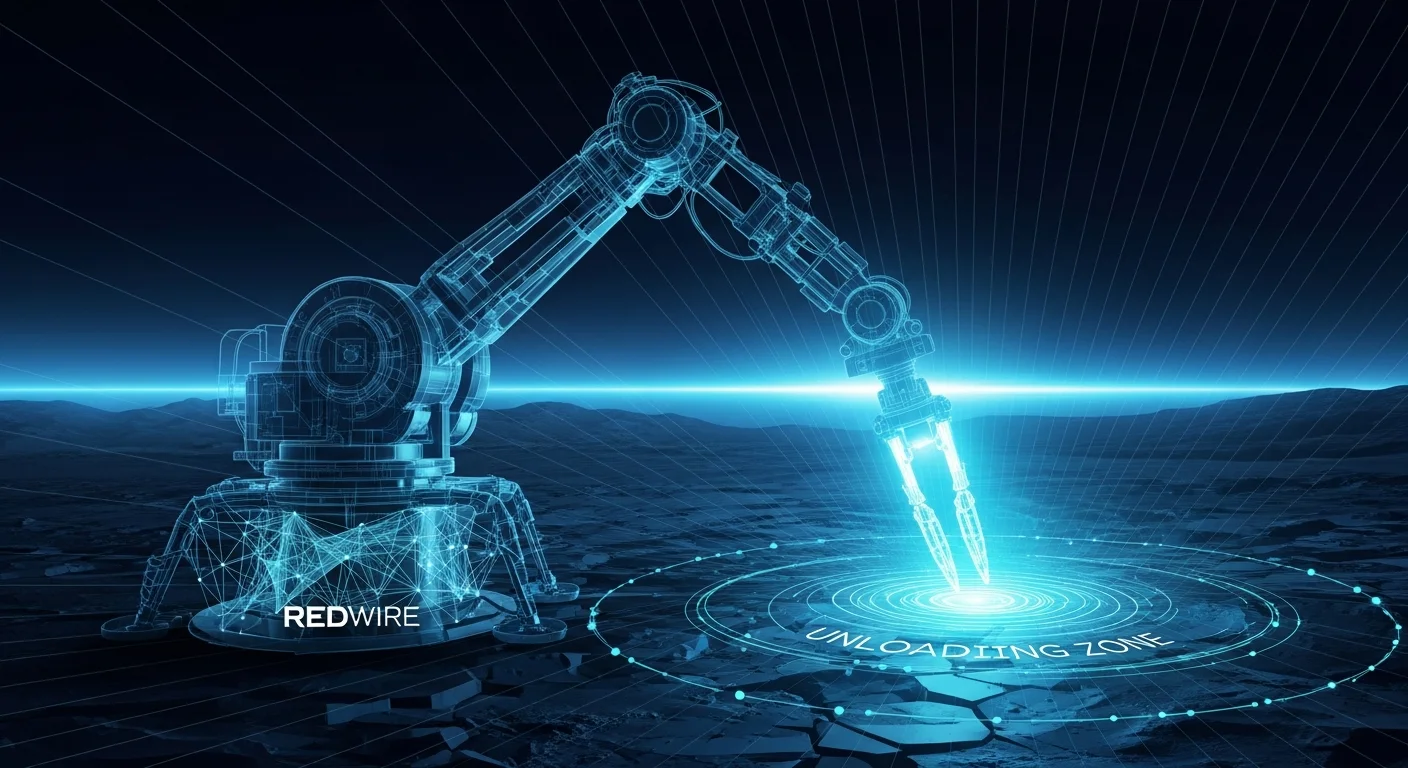
Furthermore, Redwire has delivered a new robotic arm to the European Space Agency. Specifically, the system called MANUS will help unload cargo on the Moon. Indeed, it completed all tests successfully.
Moreover, this arm supports Europe’s Argonaut lander program. Importantly, it can load equipment, transfer cargo to rovers, and assist astronauts. Thus, it reduces human workload during missions.
Notably, Redwire built the arm with their Luxembourg team. Additionally, the system could power rovers and collect lunar soil. Consequently, Europe moves closer to a long-term Moon presence. Significantly, autonomous robotics will shape future space exploration.
| MANUS Capability | Description | Primary Purpose |
|---|---|---|
| Cargo Handling & Payload Unloading | Load and unload equipment, infrastructure, and scientific instruments (up to 1,800 kg) directly onto the lunar surface from the Argonaut lander platform. | Enable autonomous delivery of essential supplies and scientific payloads without astronaut EVA. |
| Rover & Asset Support | Transfer cargo to lunar rovers and perform power transfer to surface assets such as rovers and battery systems using wireless data and power transfer via the end-effector. | Extend operational range and autonomy of rovers and surface infrastructure across the Moon. |
| Astronaut Assistance | Assist astronauts during future crewed lunar missions by handling heavy or repetitive tasks, supported by a range extender manipulation subsystem. | Reduce astronaut workload and physical risk during complex surface operations. |
| Lunar Regolith Collection | Perform regolith (lunar soil) sampling and collection tasks, leveraging strong joint-space accuracy and stable robotic subsystem interaction validated during testing. | Support in-situ resource utilization (ISRU) and scientific research on lunar geology. |
| Semi-Autonomous Surface Operations | Execute inspection, maintenance, and surface operations with automatic deployment, validated through comprehensive breadboard model testing campaigns. | Establish a long-term, sustainable European operational presence on the Moon with minimal human intervention. |
Lunar Robotic Arm Prototype
Notably, Redwire has delivered the MANUS robotic arm prototype to ESA for their Argonaut lunar lander. Moreover, tests confirmed it can safely handle cargo and tools for everyone on future missions. Additionally, this system could transfer power or collect lunar regolith. Therefore, such autonomous robotics are vital for making Moon operations safer and more efficient for all people involved.
Enabling Future Lunar Exploration
This indicates a successful prototype delivery of the lunar robotic arm to ESA. Moreover, all performance tests were passed, confirming reliable operation. Consequently, the MANUS system will support cargo handling for the Argonaut lander. Hence, this advances Europe’s capability for future, inclusive lunar exploration missions.
“Robotic systems like MANUS will play a central role in reducing astronaut workload and expanding mission capabilities for future complex lunar operations.”
Ultimately, the MANUS robotic arm marks a key step for Europe’s lunar future. In summary, successful testing proves that autonomous robotics can safely support cargo handling on the Moon. Looking ahead, such systems will help all people explore space together. Therefore, projects like Argonaut show that international teamwork drives real progress in space exploration.
Ultimately, Redwire’s delivery of the MANUS prototype marks an important step for Europe’s lunar ambitions. Therefore, the successful testing confirms the system is ready for cargo handling on the Argonaut lander. As a result, ESA gains a reliable robotic capability for future Moon surface operations.
Consequently, this development strengthens Europe’s role in international lunar exploration. Thus, robotic systems like MANUS will help reduce astronaut workload and expand mission possibilities for everyone involved. In summary, the collaboration signals growing momentum in autonomous space robotics for a sustainable and inclusive lunar presence.