Google’s Glittery Gambit: Are Playful Icons the Future of Tech Customization?
2 min read
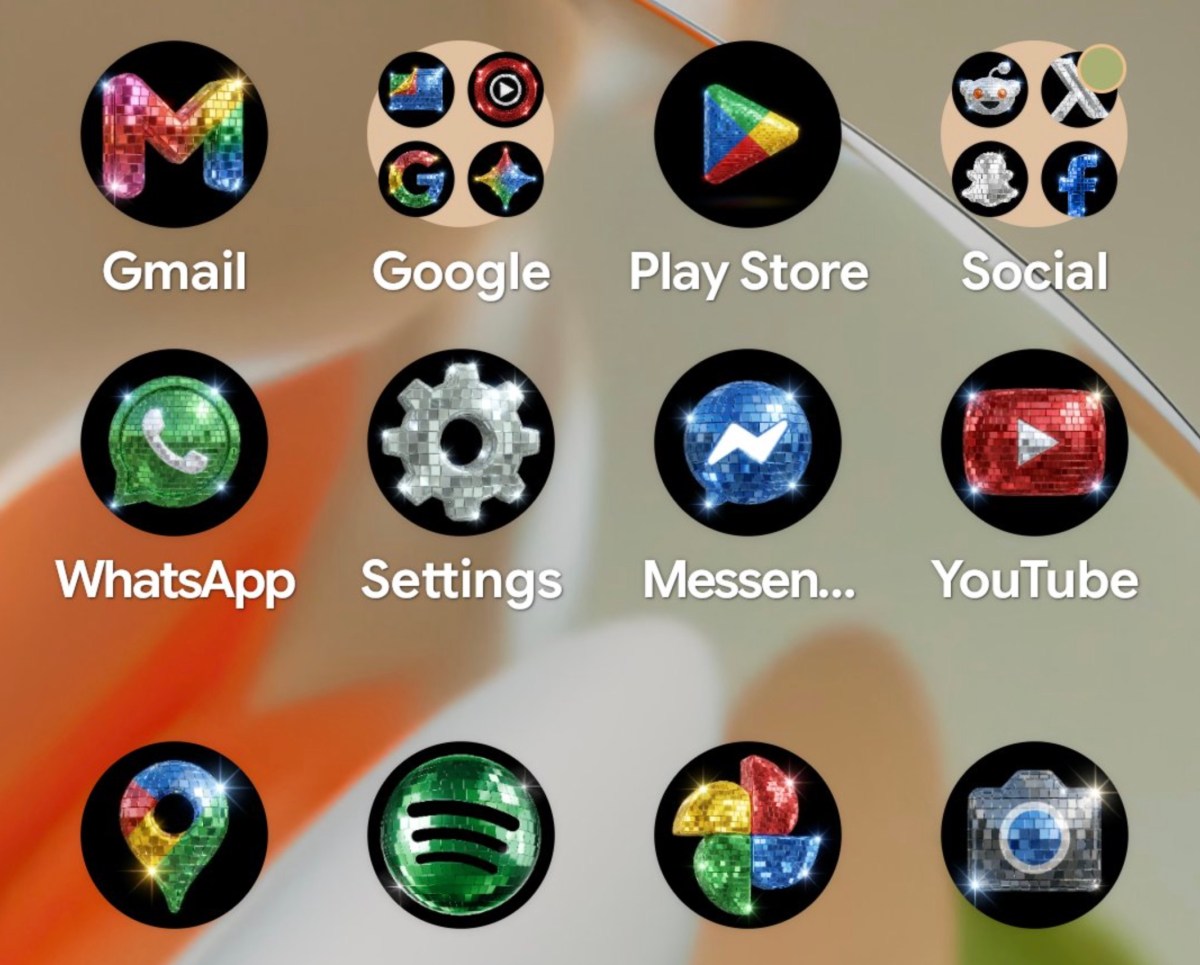
In particular, Google recently launched a set of disco-ball icons for its Pixel phones. Moreover, this move came after Spotify’s similar, temporary design caused online debate. Consequently, Google is offering users a new way to personalize their devices.
Thus, many people are calling the design playful and fun. Hence, this trend shows a shift toward more whimsical tech customization. Specifically, it lets users create a playful identity with their phone’s look.
| Initiative | Description | Response/Impact |
|---|---|---|
| Spotify Disco-Ball Icon | Temporary app icon launched for Spotify’s 20th anniversary, featuring a disco-ball theme. | Extensive online backlash for being “ugly,” with some praise for kitsch; Spotify clarified it was temporary. |
| Google Disco-Ball Icons | Custom set of Android app icons with |
Google’s Disco-Ball Icons
In addition, Google introduced disco-ball icons after Spotify’s similar move. Consequently, this highlights rising customization trends in tech. As a result, people now have more ways to personalize devices. Therefore, everyone can choose styles that reflect their identity. Notably, this mirrors broader cultural whimsy among users. Furthermore, it shows inclusive design by offering diverse aesthetic options.
Tech Embraces Whimsical Personalization
This indicates Google is testing playful customization to boost user engagement. Therefore, whimsical design trends are gaining popularity among younger audiences. Similarly, Spotify’s disco-ball icon sparked strong reactions, showing bold branding risks. Moreover, AI-generated icon styles let people personalize devices easily. In contrast, some users find glitter themes too flashy. Consequently, tech companies must balance fun with broad appeal.
“Your wish is our command. Disco icons available on Pixel as of today … Are y’all sure you still want this ?? 😅”
Ultimately, Google’s disco-ball icons show how playful design can bring people together in digital spaces. In conclusion, this fun trend reminds us that technology can be lighthearted and inclusive for everyone. Looking ahead, we may see more whimsical options that let all users express their unique style on their devices.
Ultimately, Google’s disco-ball icons show a playful shift in how tech companies engage users. Therefore, this move reflects a growing trend toward whimsical, fun design choices. Consequently, users get more ways to personalize their devices.
In summary, the response from people has been mixed but mostly lighthearted. Thus, it proves that humor can be a smart brand strategy. As a result, other companies may follow with their own creative icons. Accordingly, we can expect more playful features in the future.