Astrocytes Revealed as Dynamic Orchestrators of Brain Chemistry
3 min read
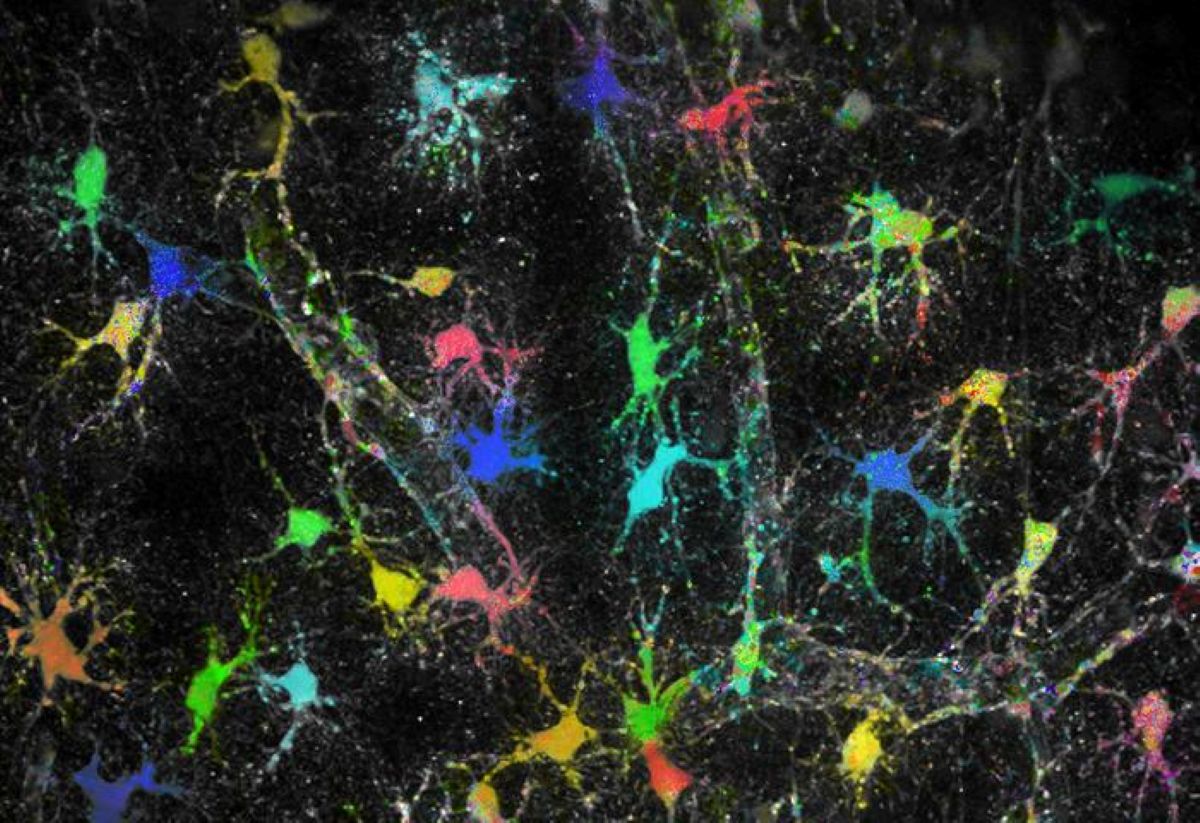
Astrocytes, which are star-shaped support cells in the brain, were long thought to have the same low sodium level everywhere. However, a new study proves this is wrong. Moreover, researchers created a special imaging tool to see sodium in real time. Importantly, they found sodium levels change in different parts of the same cell. Consequently, these changes help the cell match the exact needs of nearby neural networks.
Furthermore, this discovery changes how we understand brain function. Similarly, it gives scientists new goals for medical research. For example, problems with these sodium balances may be linked to conditions like epilepsy or stroke. Therefore, future treatments could focus on protecting these vital cell processes. Ultimately, this helps us learn how the brain keeps itself healthy and working well.
| Aspect | Previous Assumption | New Discovery |
|---|---|---|
| Sodium Distribution | Uniform, low baseline concentration across all astrocytes and sub-units. | Heterogeneous, dynamic micro-domains that vary between cells and within sub-structures. |
| Functional Role | Static “housekeeping” for reliable neurotransmitter regulation and electrolyte balance. | Active, localized tuning to match hyper-local synaptic excitability needs of neighboring neural networks. |
| Underlying Mechanism | Assumed uniform transport mechanisms across all astrocytic membranes. | Driven by specific transport molecules (e.g., Na⁺/K⁺-ATPase subunits) with varying numbers and configurations in different membrane regions. |
| Research Method | Indirect inferences from older techniques unable to resolve subcellular details. | Novel direct-tissue multi-photon imaging, validated by biophysical modeling (U.S.) and in vivo animal models (Germany). |
| Clinical Implication | General ion imbalance as a broad factor in neurological disorders. | Targeted therapeutic focus: specific transport pumps in astrocytic sub-domains could be protected to prevent ion regulation collapse in epilepsy or stroke. |
Dynamic Astrocyte Sodium Levels
In addition, a new study overturns old views, showing sodium levels in brain cells called astrocytes are not uniform. Consequently, they contain specialized sodium micro-domains that dynamically fluctuate. As a result, this allows them to match the immediate needs of nearby neural networks for proper signal control. Notably, specific transport molecules on the cell membranes drive these local differences. Therefore, this discovery provides new research targets for brain disorders like epilepsy or stroke, where this balance fails.
Implications for Neurological Disorders
This indicates that astrocyte sodium levels are not uniform. Therefore, specialized micro-domains dynamically adjust to match local synaptic needs. Moreover, specific transport molecules drive these variations across cell membranes. In contrast to old assumptions, sodium concentrations differ between and within cells. Consequently, these findings offer new research targets for epilepsy and stroke.
“We were also able to show that specialised functional sub-domains exist in astrocytes due to the different sodium concentrations. In each case, they react to the local needs of their neighbouring neural network.”
Ultimately, the study overturns the long-held idea of uniform sodium levels in astrocytes. In conclusion, it reveals localized sodium micro-domains that dynamically adapt to neural activity. Looking ahead, this discovery provides vital new targets for treating disorders like epilepsy. Therefore, this research fundamentally reshapes our understanding of brain cell cooperation. Hence, it opens promising paths for developing targeted therapies.
Ultimately, this research overturns a long-standing belief about brain cell chemistry. Consequently, it reveals that astrocytes are not uniform but highly adaptable. Therefore, their sodium levels actively change to support nearby nerve cells.
As a result, this discovery provides a new direction for studying brain disorders. Accordingly, conditions like epilepsy involve failed ion balance. In summary, this knowledge may help develop more targeted future treatments for everyone.