The Hidden Two-Phase Clock of Aging: A Breakthrough Linking Early Damage to Late-Life Diseases
2 min read
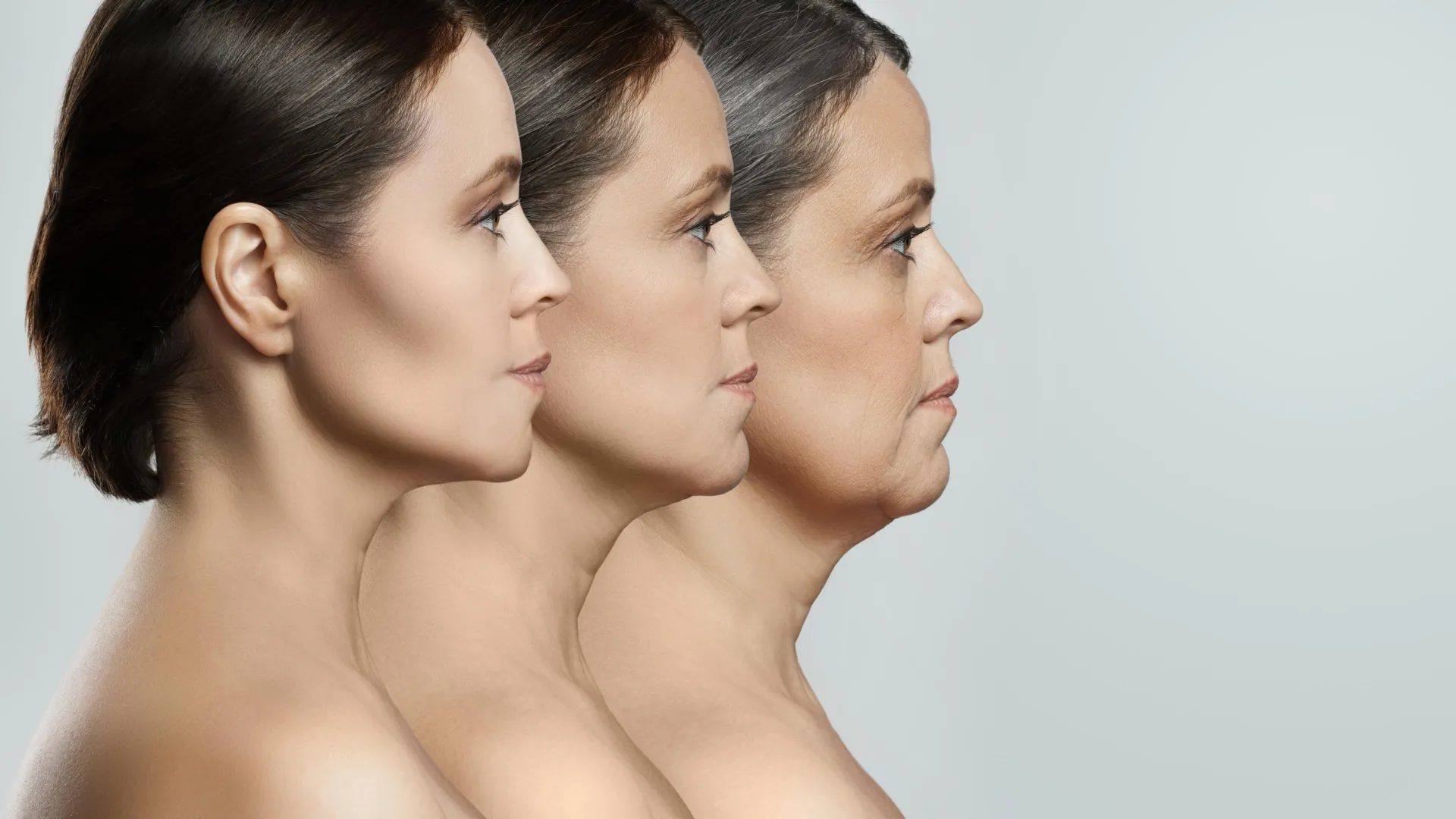
Scientists have found a new way to understand aging. Moreover, their discovery shows it happens in two stages. Importantly, this process may explain why people get diseases like cancer and arthritis later in life.
Essentially, the first stage starts earlier. For example, a person might have an infection or an injury. Additionally, some hidden damage can stay in their body. Consequently, this damage doesn’t cause problems right away.
However, the second stage happens much later. As a result, the body changes and gets weaker. Crucially, this allows the old, hidden damage to cause age-related diseases. Therefore, this two-stage model offers a new path for future health strategies.
| Aspect | Early-Life Stage | Late-Life Stage |
|---|---|---|
| Timeframe | Youth to mid-life | Older adulthood |
| Key Biological Process | Accumulation of latent damage (e.g., from infections, injuries, mutations). | Decline in genetic regulation and cellular control mechanisms. |
| Examples of Associated Damage | Dormant viruses (e.g., varicella-zoster), joint injuries, silent genetic mutations. | Weakened immune surveillance, reduced tissue resilience, altered gene expression. |
| Resulting Conditions | Damage is contained but remains hidden. | Manifests as diseases like shingles, osteoarthritis, and cancer. |
Two-Stage Aging Process Discovery
Notably, researchers propose a two-stage aging model. Consequently, early-life damage from infections or injuries can remain hidden in people’s bodies. Moreover, late-life genetic changes then weaken their natural repair systems. In particular, this helps explain why conditions like cancer and arthritis appear decades later.
Preventive Strategies for Aging Diseases
This indicates that aging has two stages: early hidden damage and later genetic decline. Therefore, diseases like cancer and arthritis may start decades before symptoms appear. Moreover, infections, injuries, and genetic mutations can stay dormant until the body weakens. Consequently, reducing early damage could help prevent age-related illness for everyone.
“The key insight is that aging may unleash hidden damage from earlier in life—helping explain why diseases like cancer and arthritis appear decades later.”
Ultimately, researchers have proposed a new model for understanding aging and disease. In conclusion, this model suggests aging has two key stages. Therefore, early-life damage from infections or injuries can remain hidden. Thus, later in life, the body loses its ability to contain this damage.
Consequently, this process helps explain why diseases like cancer appear in older adults. As a result, this new framework could guide future prevention strategies. Accordingly, focusing on early-life health may lower later disease risk. In summary, the research points toward new approaches for healthier aging for everyone.