Global Policy Notably Moreover
3 min read
Consequently, a key debate centers on Africa. Thus, many experts argue it must be a much higher priority to prevent new terrorist safe havens. Additionally, the strategy is criticized for overly politicized language.
Therefore, successful action requires more than military force. Thus, experts strongly recommend combining hard power with soft power. Basically, a balanced approach is seen as essential for long-term security.
| Expert | Key Focus Area | Main Criticism & Recommendation |
|---|---|---|
| Edward Bogan | Narcotrafficking & Cartel Threats | The strategy merges cartel and jihadist threats into one document without sufficient depth. It fails to address domestic demand drivers for narcotics and lacks political neutrality on domestic terrorism. Recommends splitting the strategy into two separate frameworks for transnational terrorism and cartel challenges. |
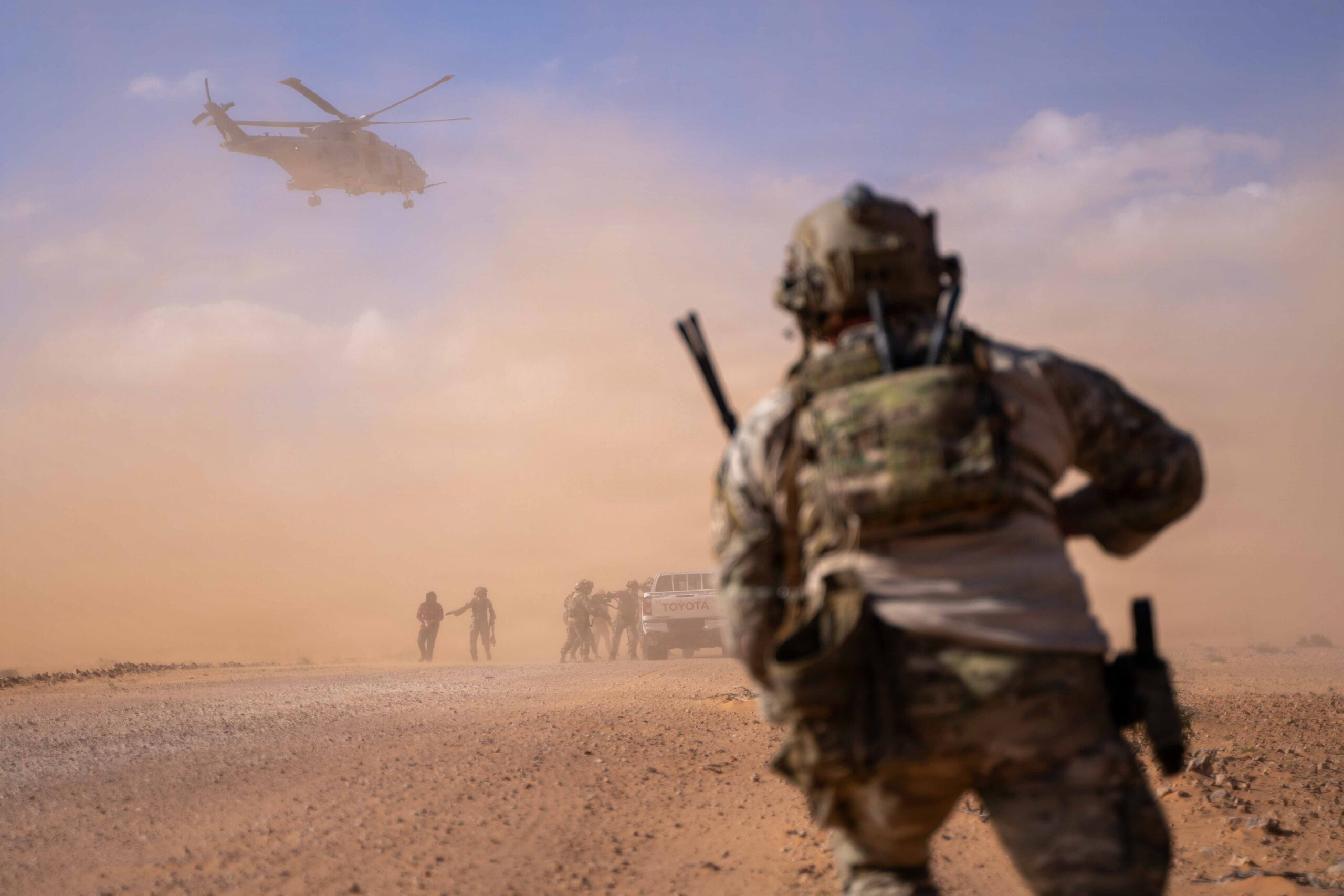
| Alex Plitsas | Africa & the Sahel Region | Africa is the global epicenter of terrorism but remains under-prioritized. The US withdrawal from key facilities like Niger’s Air Base 201 has created critical intelligence gaps. Recommends restoring access agreements, deploying limited advisory teams, and investing in partner capacity-building across the Sahel. |
| Morgan Tadych | Changing Nature of Islamist Terrorism | The strategy mischaracterizes groups as “legacy” threats and incorrectly links the Muslim Brotherhood to modern jihadism. It overemphasizes territorial military operations against groups that now operate primarily in dispersed, digital ecosystems. Recommends expanding intelligence sharing and counter-propaganda campaigns instead of costly covert operations. |
| Danielle Cosgrove | Root Causes of Radicalization | The strategy is overly operational and coercive, ignoring non-kinetic tools. Modern extremism thrives through identity, grievance, and online social ecosystems — not just territorial control. Recommends investing in prevention infrastructure, resilience-building, and programs that compete in the cognitive and social domains where extremists recruit. |
| Marc Polymeropoulos | Soft Power & Political Neutrality | The strategy is heavily politicized, omitting right-wing domestic threats (which account for most US terrorism deaths since 2001) while exaggerating others like “radically pro-transgender” groups. It ignores soft power entirely. Recommends a whole-of-government approach combining kinetic operations with diplomacy and restoring USAID and State Department resources. |
2026 US Counterterrorism Strategy
In addition, the 2026 strategy shifts focus toward narcotrafficking and domestic threats. Consequently, experts argue Africa‘s growing terrorism epicenter needs higher priority. Furthermore, the changing nature of digital evolution requires more nuanced policy. Moreover, addressing root causes is vital for everyone’s security. Similarly, combining soft power with hard power is a key recommendation for people.
Flawed Strategy, Far-Reaching Consequences
This indicates the 2026 US counterterrorism strategy controversially redefines narcotraffickers as terrorists. Therefore, experts warn Africa’s escalating jihadist crisis requires urgent priority. Similarly, the document mischaracterizes the Muslim Brotherhood. Moreover, it neglects prevention and addressing radicalization root causes. In contrast, critics note a severe lack of soft power integration. Consequently, the strategy risks undermining credibility. Thus, analysts recommend more nuanced, whole-of-government approaches. Hence, operational gaps persist. Accordingly, inclusive, evidence-based policies are needed. As a result, future effectiveness remains uncertain.
“Any counterterrorism strategy must not only include kinetic options; the US can’t just kill its way out of this problem set.”
Ultimately, the experts call for clearer focus. In conclusion, they recommend separating transnational and cartel strategies. Looking ahead, Africa demands higher priority. As a result, threat definitions must evolve. Therefore, addressing radicalization roots is vital. Thus, combining soft and hard power is essential. Hence, sustained partnerships are key. In summary, political neutrality strengthens legitimacy. To conclude, whole-of-government approaches are necessary. Finally, inclusive, adaptable frameworks will succeed. Accordingly, we must act collectively.
Related Exploration
-
Aerospace & Tactical Systems
Analysis of the aerial platforms, ISR capabilities, and joint operational frameworks mentioned in counterterrorism missions. -
The Autonomous Era
Exploring the digital ecosystems, online radicalization, and decentralized threats that define modern counterterrorism challenges. -
Deep Science
Investigating the underlying technologies in intelligence, surveillance, and data analysis that underpin security strategy.
Ultimately, the 2026 strategy represents a notable shift in U.S. counterterrorism priorities, notably toward narcotrafficking and the Western Hemisphere. However, experts warn this focus risks diluting resources from persistent jihadist threats, especially in Africa. Thus, the document has been criticized for lacking depth, operational detail, and political neutrality.
In conclusion, analysts recommend a more balanced and sustainable approach. Accordingly, they urge greater investment in Africa, recognizing the changing digital nature of terrorism, and addressing root causes of radicalization. Therefore, a durable strategy must combine robust security tools with sustained diplomacy and soft power to be effective globally.