Robotic LINK Spacecraft to Extend Swift Telescope’s Hunt for Cosmic Fireworks
2 min read
Essentially, NASA plans to extend the life of its Swift space telescope. Furthermore, they will use a robotic spacecraft named LINK to push Swift into a higher orbit. In addition, this mission is a collaboration with the company Katalyst. Critically, the operation will allow Swift to continue studying powerful cosmic explosions. Consequently, scientists will keep gathering important data about the universe.
| Aspect | NASA Swift Observatory | Katalyst LINK Spacecraft | Northrop Grumman Pegasus XL |
|---|---|---|---|
| Type | Space telescope (science observatory) | Robotic servicing spacecraft | Air-launched rocket (deployed from L-1011 Stargazer aircraft) |
| Role in Mission | Target spacecraft whose orbit will be boosted to extend its science lifespan | Rendezvous with Swift and raise its altitude | Deliver the LINK spacecraft to orbit in late June 2026 |
| Operator / Owner | NASA (Science Mission Directorate) | Katalyst (private aerospace company) | Northrop Grumman (aerospace contractor) |
| Launch Year | 2004 | 2026 (late June) | 2026 (launch vehicle for this mission) |
| Primary Function | Study gamma-ray bursts and high-energy cosmic events | Orbit-raising and in-space robotic servicing demonstration | Small-satellite orbital delivery |
Boosting Swift’s Orbit
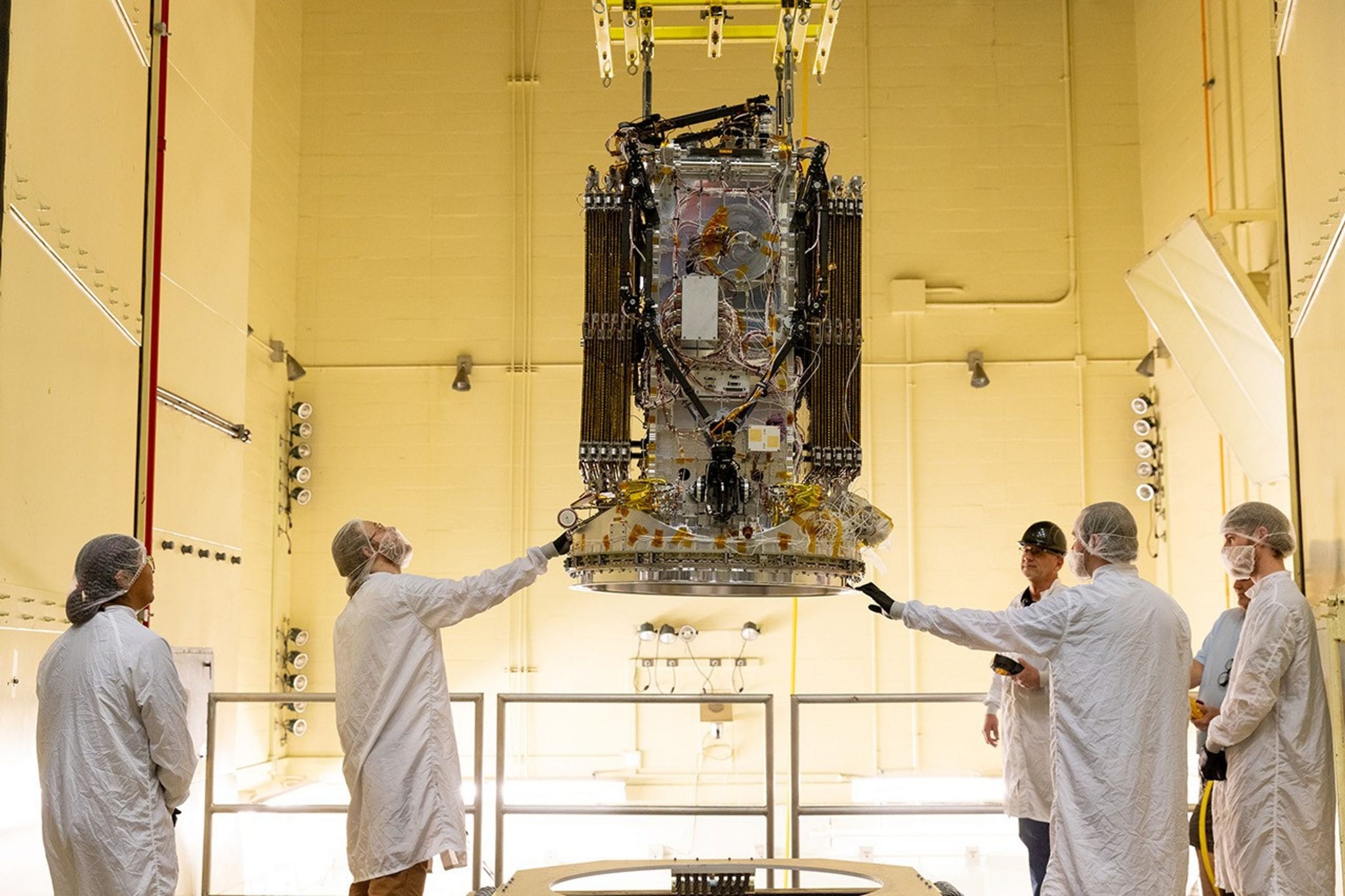
In addition, NASA will showcase the Katalyst LINK mission to boost the Swift Observatory’s orbit. Consequently, they will use a robotic servicing spacecraft for this task. As a result, this will extend the mission’s lifespan. Therefore, everyone benefits from continued high-energy universe research. Similarly, this highlights advancements in space technology. Moreover, it demonstrates collaborative innovation. Furthermore, such efforts ensure ongoing scientific discoveries.
Extending Swift Observatory’s Science Lifespan
“Katalyst’s robotic servicing spacecraft, called LINK, will launch on Pegasus in June to rendezvous with Swift and raise its altitude, extending its science mission lifespan.”
Ultimately, this key mission will help extend Swift’s important work. Finally, it shows how teams from different places can work together. In summary, this work will help us learn more about space for all people in the future.
Ultimately, the LINK spacecraft’s June launch represents a concrete step toward sustainable space operations. In conclusion, this mission aims to extend the vital science work of the Swift Observatory by raising its orbit.
Therefore, successfully boosting Swift demonstrates a new capability for maintaining valuable space assets. Thus, this approach offers a more efficient and inclusive future for exploring the cosmos together.